

Purity & Safety · 2026-07-26 · 5 min read
Can You Check Spice Purity at Home? What Every Consumer Should Know About Identifying Quality Spices
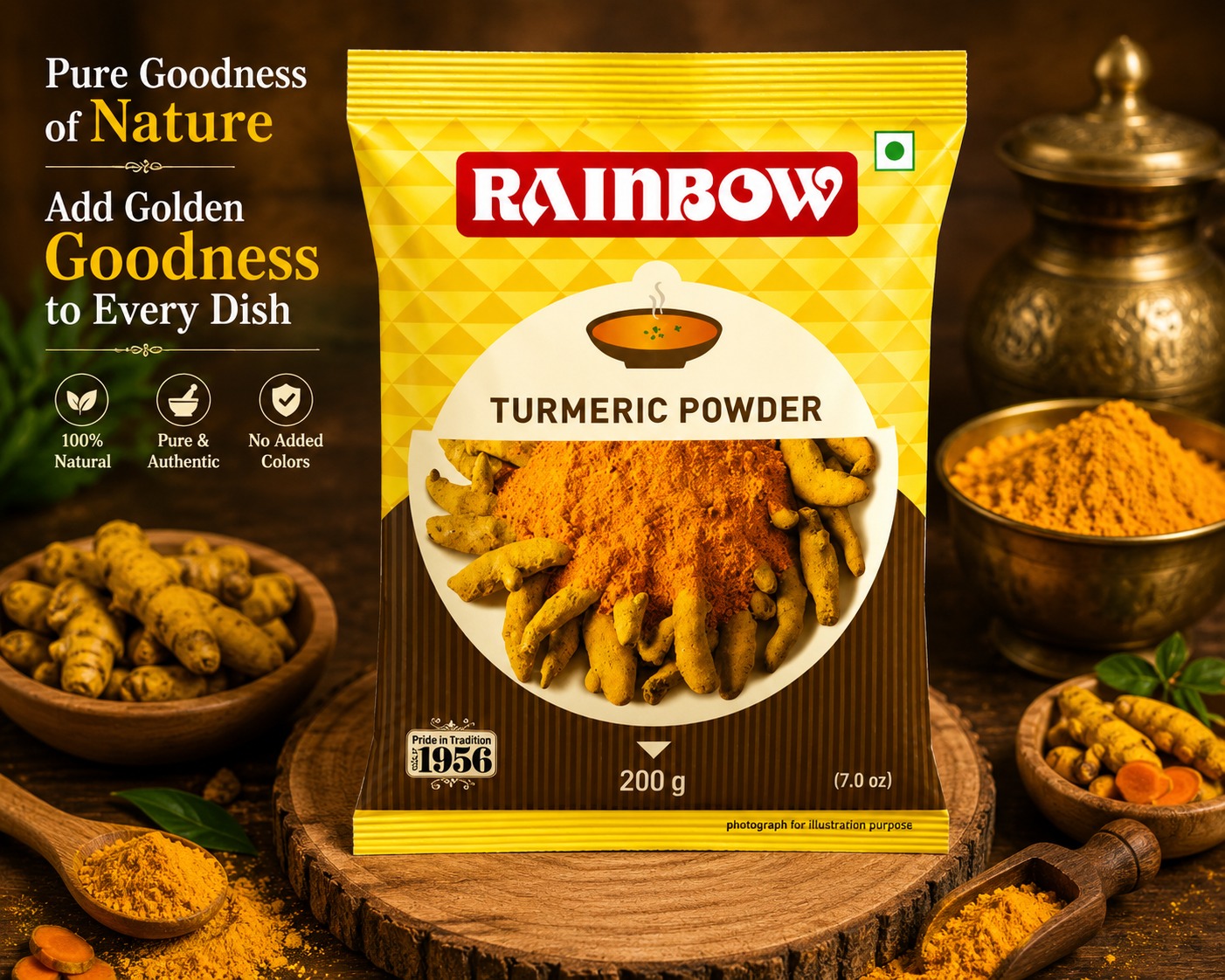
Can You Check Spice Purity at Home? A Consumer Guide to Quality Spices
Whether it’s turmeric, chilli powder, coriander powder, or garam masala, every consumer wants one thing, pure, authentic spices.
With growing awareness about food quality, many people search online for quick home tests to identify adulteration. Social media is filled with videos claiming that a glass of water or a simple kitchen experiment can instantly reveal whether a spice is pure.
But can these methods really tell the whole story?
The answer is not always.
While some simple observations can help consumers notice unusual characteristics, most forms of adulteration require scientific testing. The safest approach is to combine smart buying habits with products from trusted manufacturers and official guidance.
What Does “Pure Spice” Actually Mean?
A pure spice is one that contains the ingredient, or ingredients, declared on its label without the addition of undeclared substances.
For example:
- ✦Turmeric Powder should contain turmeric.
- ✦Coriander Powder should contain coriander.
- ✦Cumin Powder should contain cumin.
- ✦A blended masala should contain the ingredients listed on its packaging.
Purity is about authenticity, composition, and compliance with food standards, not simply colour or aroma.
What Is Spice Adulteration?
Food adulteration refers to the addition or substitution of substances that should not be present in a food product, or the removal of valuable components in a way that misleads consumers.
In spices, adulteration may occur for economic reasons, such as reducing production costs or altering appearance.
This is why food safety authorities around the world place significant emphasis on quality control, testing, and traceability.
Can You Reliably Detect Adulteration at Home?
The honest answer is:
Sometimes you may notice obvious warning signs, but home observations cannot replace laboratory analysis.
For example, consumers may notice:
- ✦Unusual smell
- ✦Excess moisture
- ✦Clumping caused by poor storage
- ✦Foreign particles visible to the eye
- ✦Damaged packaging
However, many forms of adulteration cannot be confirmed without proper scientific testing.
That’s why consumers should be cautious about believing every viral “purity test” shared online.
What Does FSSAI Say?
The Food Safety and Standards Authority of India (FSSAI) encourages consumers to purchase packaged spices from reliable manufacturers and has published educational resources, including the Detect Adulteration with Rapid Test (DART) handbook, to raise awareness about common food adulteration.
These rapid tests are meant for awareness and preliminary screening. Where there is genuine concern about food safety, laboratory testing remains the most reliable method.
Signs of a Quality Spice Product
Instead of relying only on home tests, consumers should evaluate the product as a whole.
1. Clear Labelling
A quality product should include:
- ✦Ingredient list
- ✦Manufacturing date
- ✦Best Before date
- ✦Batch number
- ✦FSSAI licence number
2. Proper Packaging
Packaging should be:
- ✦Sealed
- ✦Dry
- ✦Undamaged
- ✦Free from leakage
Good packaging protects spices from moisture and contamination.
3. Natural Aroma
Each spice has its own characteristic aroma.
For example:
- ✦Cumin has a warm, earthy fragrance.
- ✦Coriander has fresh citrus-like notes.
- ✦Black pepper has a sharp, woody aroma.
A pleasant, natural aroma is one indicator of quality, although it should not be used as the only test.
4. Consistent Appearance
Natural spices may show slight variations in colour between harvests because climate, soil, and growing regions differ.
Small natural differences do not necessarily indicate poor quality.
5. Transparent Manufacturer Information
A responsible manufacturer provides:
- ✦Company name
- ✦Address
- ✦Customer care details
- ✦Product information
Transparency builds confidence.
Common Myths About Spice Purity
Myth 1: Brighter Colour Means Better Quality
Not always.
Natural colour varies depending on crop variety, maturity, and growing conditions.
Myth 2: Strong Smell Always Means High Quality
Aroma is important, but it is only one characteristic.
Quality also depends on sourcing, processing, storage, and packaging.
Myth 3: Every Viral Home Test Is Scientifically Accurate
Many online demonstrations oversimplify food science.
Some observations may be useful, but they should not be treated as definitive proof of purity or adulteration.
Myth 4: Packaged Spices Cannot Be Adulterated
Food regulations apply to packaged products, but no consumer should assume quality based solely on packaging.
Reading labels, buying from trusted manufacturers, and checking product information remain essential.
Why Trusted Brands Matter
Quality begins long before a spice reaches your kitchen.
Responsible manufacturers invest in:
- ✦Careful sourcing
- ✦Cleaning
- ✦Controlled grinding
- ✦Quality testing
- ✦Hygienic packaging
- ✦Batch traceability
These practices help reduce variability and improve consumer confidence.
🌈 Rainbow Masala’s Commitment to Quality
Since 1956, Rainbow Masala has believed that quality should never be left to chance.
Every batch begins with carefully selected spices sourced from trusted growing regions across India and the world. Our ingredients undergo quality checks before blending and are processed under hygienic conditions to deliver consistent flavour and dependable performance.
Our commitment includes:
- ✦Carefully selected premium whole spices
- ✦Quality inspection of incoming raw materials
- ✦Hygienic manufacturing
- ✦Batch testing before packaging
- ✦Batch-to-batch consistency
- ✦Transparent product labelling
- ✦No added artificial colours
- ✦No added artificial flavours
- ✦No added preservatives in our spice blends
We encourage consumers to make informed buying decisions based on transparency, quality, and trusted manufacturing practices, not viral myths or misleading shortcuts.
Because confidence in your spices begins long before you start cooking.
Smart Consumer Checklist
Before buying spices, ask yourself:
☐ Is the packaging sealed?
☐ Is the ingredient list clearly mentioned?
☐ Is the FSSAI licence number visible?
☐ Is the manufacturing date recent?
☐ Is the batch number printed?
☐ Does the manufacturer provide contact information?
☐ Does the brand explain its quality practices?
If the answer is “yes” to these questions, you’re already making a smarter buying decision.
Key Takeaways
- ✦Home observations can sometimes identify obvious quality issues but cannot replace laboratory testing.
- ✦FSSAI recommends purchasing packaged spices from reliable manufacturers and provides consumer education through its DART initiative.
- ✦Product labels, packaging, traceability, and manufacturer transparency are important indicators of quality.
- ✦Avoid relying solely on viral social media tests to judge spice purity.
- ✦Choosing trusted brands helps improve confidence in the spices you use every day.
Taste the difference in your own kitchen.
Explore the Rainbow Masala range, blends crafted with the same care this article describes, or try one of our recipes.