

Purity & Safety · 2026-08-03 · 5 min read
How Can You Identify Good Quality Whole Spices? 12 Signs Every Smart Buyer Should Know
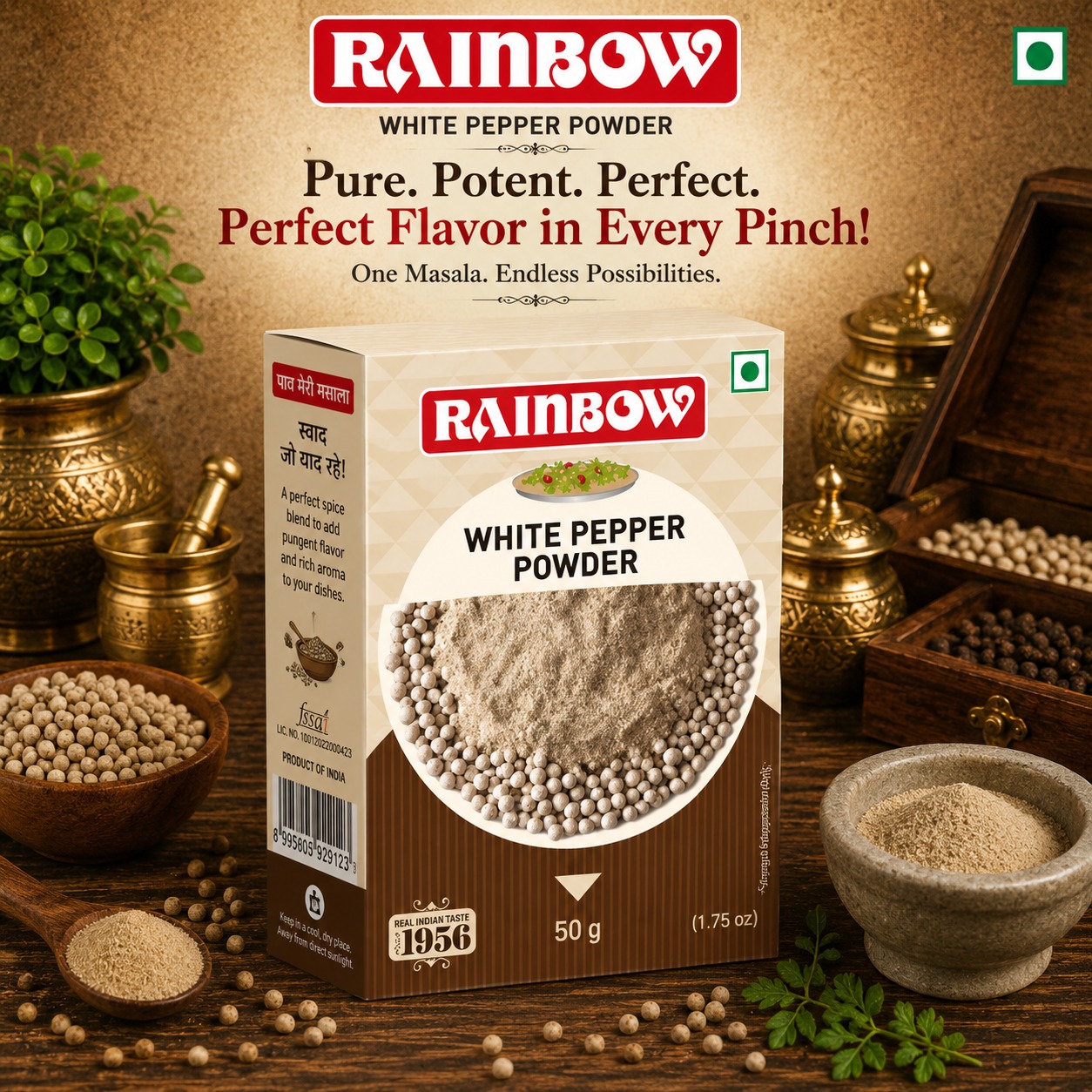
Whole spices are where every great recipe begins.
Whether you’re preparing biryani, chai, curries, pickles, or homemade masalas, the quality of the whole spices you choose directly affects the aroma, flavour, and consistency of the final dish.
But how do you know if the cloves, cumin, cinnamon, black pepper, or cardamom you’re buying are actually good quality?
Unlike ground spices, whole spices allow you to judge their quality with your own eyes, nose, and hands.
Here are twelve practical checks every smart buyer should know.
1. Aroma Is the First Indicator of Freshness
Good spices should smell alive.
Open the pack or gently crush a small quantity between your fingers.
Fresh whole spices should release a distinct natural aroma.
For example:
• Black Pepper → Sharp and woody
• Cardamom → Sweet and floral
• Cloves → Warm and intensely aromatic
• Cumin → Earthy and nutty
If the spice has little or no aroma, it may be old or have lost much of its essential oils during storage.
2. Look for Uniform Size
Quality manufacturers carefully grade spices.
Good whole spices generally have:
- ✦Similar size
- ✦Similar shape
- ✦Better appearance
Uniform grading also helps ensure more consistent cooking.
3. Natural Colour Matters More Than Bright Colour
Many consumers assume brighter always means better.
Not necessarily.
Natural spices vary depending on:
- ✦Variety
- ✦Harvest season
- ✦Soil
- ✦Climate
- ✦Growing region
Slight colour variation is completely normal.
Be cautious of spices that appear unnaturally bright or artificially polished.
4. Check for Broken Pieces
Premium whole spices contain mostly complete pieces.
Too many broken pieces may indicate:
- ✦Poor handling
- ✦Excessive processing
- ✦Inferior grading
While some breakage is unavoidable, a quality pack should contain mostly intact spices.
5. Look for Dust and Foreign Matter
Spread a handful on a white plate.
Look for:
- ✦Clean spices
- ✦No stones
- ✦No excessive dust
- ✦No twigs
- ✦No foreign seeds
Good cleaning before packaging is an important sign of quality.
6. Check for Moisture
Whole spices should feel dry.
Avoid spices that appear:
❌ Damp
❌ Sticky
❌ Soft
Excess moisture encourages mould growth and reduces shelf life.
7. Watch for Insects or Tiny Holes
Whole spices should never contain:
- ✦Live insects
- ✦Webbing
- ✦Small bore holes
- ✦Powdery residue inside the pack
These may indicate insect infestation during storage.
Always inspect transparent packs before purchasing.
8. Crush Test
Crush one spice gently.
Fresh spices should release their characteristic aroma immediately.
Examples:
- ✦Cloves should release clove oil.
- ✦Pepper should smell pungent.
- ✦Cardamom should expose fragrant seeds.
The stronger the natural aroma, the fresher the spice is likely to be.
9. Buy Whole Whenever Possible
Whole spices generally retain their volatile oils longer than powdered spices.
Grinding increases the surface area exposed to air, moisture, and light, causing aroma to fade more quickly.
If you have a spice grinder at home, buying whole spices and grinding them in small quantities can help preserve freshness.
10. Read the Label Carefully
Always check for:
- ✦Ingredient declaration
- ✦FSSAI Licence Number
- ✦Batch Number
- ✦Manufacturing Date
- ✦Best Before Date
- ✦Manufacturer Details
Transparent labelling reflects responsible manufacturing.
11. Packaging Protects Quality
The best spices can lose their aroma if the packaging fails.
Choose packs that are:
- ✦Airtight
- ✦Properly sealed
- ✦Free from tears
- ✦Dry
Packaging protects spices from moisture, oxygen, and sunlight, all of which affect flavour and shelf life.
12. Consider the Source of the Spice
Different regions are known for producing particular spices with unique characteristics.
For example:
• Malabar (Kerala): Black Pepper
• Byadgi (Karnataka): Chillies
• Alleppey (Kerala): Turmeric
• Guntur (Andhra Pradesh): Chillies
• Coorg (Karnataka): Cardamom
Understanding the origin of a spice can help you appreciate its natural flavour profile and quality.
Common Buying Mistakes
Avoid these common mistakes:
❌ Buying solely based on price
❌ Ignoring manufacturing dates
❌ Assuming bigger always means better
❌ Choosing polished-looking spices over naturally appearing ones
❌ Storing spices in transparent containers near heat
How to Store Whole Spices Properly
Even premium spices lose quality if stored incorrectly.
For best results:
- ✦Store in airtight containers
- ✦Keep away from sunlight
- ✦Avoid moisture
- ✦Keep away from direct heat
- ✦Use clean, dry spoons
Proper storage helps preserve essential oils, aroma, and flavour for longer.
🌈
Why Rainbow Whole Spices Stand Apart
At Rainbow Masala, quality begins at the source.
Since 1956, we’ve carefully sourced whole spices from renowned spice-growing regions across India and around the world. Each lot is cleaned, graded, and inspected before processing or packaging to ensure it meets our standards for purity, aroma, and consistency.
Our commitment includes:
- ✦Carefully selected premium whole spices
- ✦Sourced from trusted growing regions
- ✦Graded for size and quality
- ✦Hygienically cleaned and processed
- ✦Batch-wise quality inspection
- ✦FSSAI-compliant manufacturing
- ✦Transparent labelling
- ✦No added artificial colours
- ✦No added artificial flavours
Because every exceptional masala starts with exceptional whole spices.
Quick Buying Checklist
Before buying whole spices, ask yourself:
☐ Do they have a strong natural aroma?
☐ Are they mostly whole and unbroken?
☐ Are they free from dust and foreign matter?
☐ Do they look dry and clean?
☐ Is the packaging sealed?
☐ Is the FSSAI Licence Number visible?
☐ Is the manufacturing date recent?
☐ Is the manufacturer clearly identified?
Key Takeaways
- ✦Whole spices can often be evaluated using their aroma, appearance, cleanliness, and freshness.
- ✦Uniform size, intact pieces, and proper packaging are good indicators of quality.
- ✦Whole spices generally retain their flavour longer than ground spices.
- ✦Proper storage is essential to preserve natural oils and aroma.
- ✦Buying from transparent manufacturers helps ensure consistency and traceability.
Continue Reading
Continue exploring the Spice Purity & Consumer Awareness series:
- ✦Can You Check Spice Purity at Home?
- ✦How Can You Identify a Good Blended Masala?
- ✦How Can You Tell If Turmeric Powder Is Pure?
- ✦How Can You Tell If Chilli Powder Is Pure?
- ✦Whole Spices vs Ground Spices: Which Should You Buy?
- ✦How to Store Spices to Preserve Their Aroma
References & Backlinks
Government & Regulatory Sources
Food Safety and Standards Authority of India (FSSAI)
FSSAI: Guidance Document on Spices
https://www.fssai.gov.in/upload/uploadfiles/files/Guidance_Document_Spices_23_10_2018.pdf
FSSAI: Manual of Methods of Analysis for Spices & Herbs
https://www.fssai.gov.in/upload/uploadfiles/files/Manual_Revised_Spices_Herbs_22_06_2021.pdf
Research & Industry Sources
Spices Board India
Indian Institute of Spices Research (ICAR-IISR)
AGMARK Standards (Directorate of Marketing & Inspection)
Taste the difference in your own kitchen.
Explore the Rainbow Masala range, blends crafted with the same care this article describes, or try one of our recipes.