

Buying Smart · 2026-07-19 · 6 min read
How to Buy Good Quality Spices: 15 Things Every Consumer Should Check Before Buying
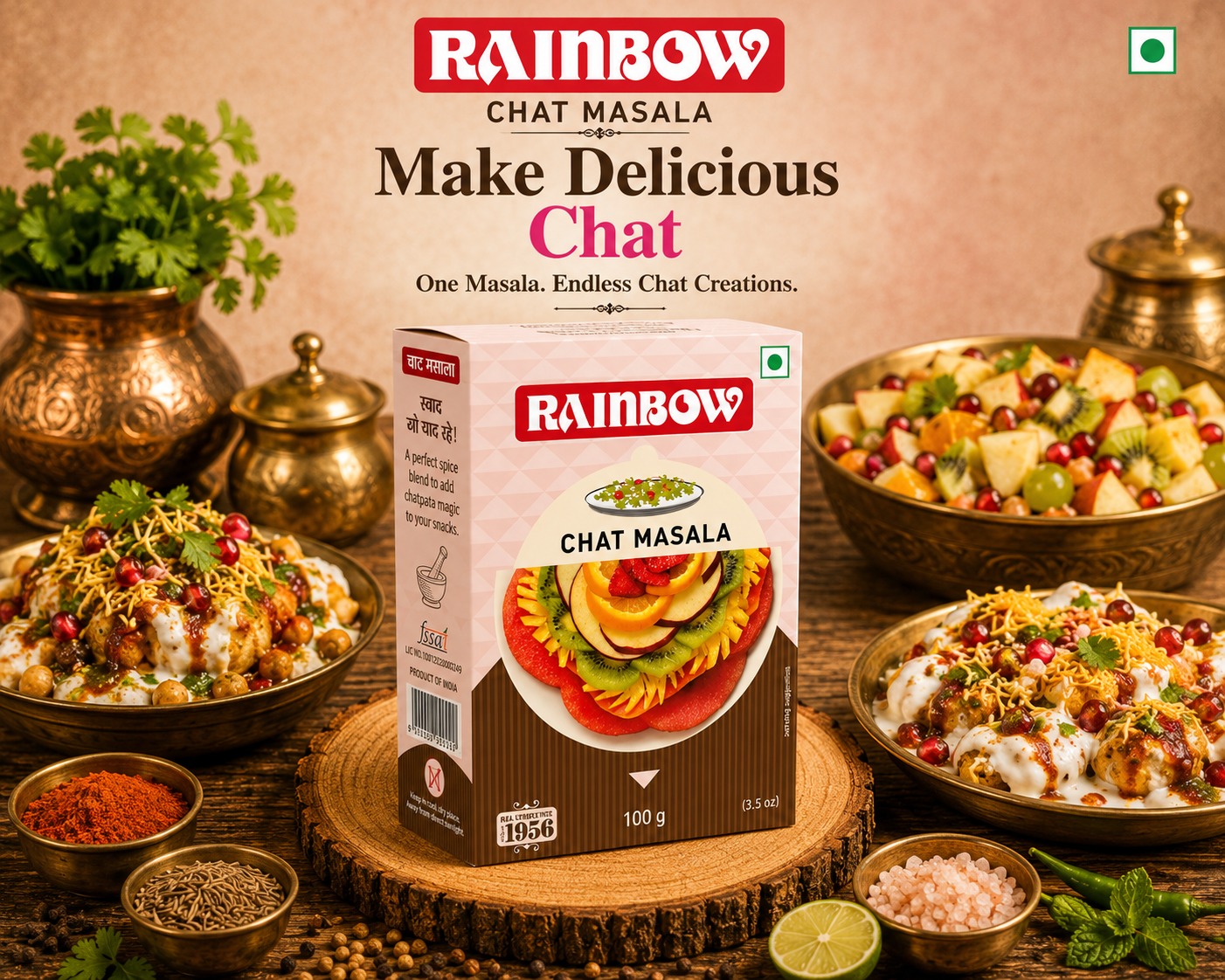
Spices are the heart of Indian cooking.
Whether you’re preparing a simple dal, a festive biryani, or a family recipe that’s been passed down through generations, the quality of your spices directly influences the flavour, aroma, colour, and overall cooking experience.
Yet choosing a good spice isn’t always easy.
Walk into a supermarket, and you’ll find dozens of brands offering similar products. Attractive packaging, bold claims, and competitive pricing can make it difficult to know which one truly delivers quality.
So how do you separate a well-made spice from an average one?
The answer lies in knowing what to look for before you buy.
Why Choosing the Right Spice Matters
Good spices do more than add flavour.
They contribute to:
- ✦Consistent taste
- ✦Natural aroma
- ✦Rich colour
- ✦Better cooking performance
- ✦Food safety
- ✦Longer freshness when stored correctly
Choosing quality spices also means you’re buying products that have been manufactured and packed under regulated food safety standards.
1. Check the FSSAI Licence Number
One of the first things you should look for is the FSSAI licence number printed on the pack.
The Food Safety and Standards Authority of India (FSSAI) regulates food businesses in India. A valid licence indicates that the manufacturer is operating under the applicable food safety framework.
Always purchase spices from brands that clearly display their FSSAI licence details.
2. Buy Packaged Spices from Trusted Brands
FSSAI advises consumers to prefer packaged spices from reliable manufacturers rather than loose powdered spices, as packaged products generally offer better traceability, labelling, and quality control.
A trusted brand is more likely to maintain consistent manufacturing and quality practices over time.
3. Read the Ingredient List
Don’t skip the ingredient panel.
It tells you exactly what you’re buying.
Depending on the product, look for:
- ✦Whole spice ingredients
- ✦Added salt (if applicable)
- ✦Herbs
- ✦Other declared ingredients
Transparent labelling helps consumers make informed decisions and compare products fairly.
4. Check the Manufacturing and Best Before Dates
Spices don’t spoil overnight, but they gradually lose their aroma and flavour over time.
Choose products with:
- ✦Recent manufacturing dates
- ✦Adequate remaining shelf life
This helps ensure you’re buying a fresher product.
5. Inspect the Packaging
Before placing a pack in your basket, check whether it is:
- ✦Properly sealed
- ✦Undamaged
- ✦Free from tears or punctures
- ✦Dry and clean
Damaged packaging may expose spices to moisture, air, or contaminants, affecting quality.
6. Look for Batch or Lot Numbers
Every packaged spice should carry a batch or lot number.
Why does this matter?
It allows manufacturers to identify specific production batches if quality investigations or product recalls ever become necessary.
Traceability is an important feature of responsible food manufacturing.
7. Read the Storage Instructions
Different spices have different storage recommendations.
Most packaged spices should be stored:
- ✦In a cool, dry place
- ✦Away from direct sunlight
- ✦In an airtight container after opening
Following these instructions helps preserve aroma and flavour.
8. Understand That Colour Alone Doesn’t Define Quality
Many consumers assume that brighter colour means better quality.
That’s not always true.
Natural colour varies depending on:
- ✦Harvest season
- ✦Variety of spice
- ✦Growing region
- ✦Processing methods
Quality should be judged using multiple factors, not colour alone.
9. Aroma Should Feel Natural
A good spice should smell fresh and characteristic of the ingredient itself.
For example:
- ✦Coriander should have mild citrusy-earthy notes.
- ✦Cumin should smell warm and nutty.
- ✦Black pepper should feel sharp and woody.
Aroma is one indicator of freshness, but it should be evaluated alongside other quality factors.
10. Buy the Right Form for Your Needs
Ask yourself:
Do you cook occasionally?
Or do you frequently grind fresh spices?
Whole spices generally retain their flavour longer, while ground spices provide convenience and consistency.
Choose the format that best suits your cooking habits.
11. Understand the Difference Between Single Spices and Spice Blends
Products such as turmeric, cumin, and coriander contain a single primary ingredient.
Blended masalas, on the other hand, combine multiple spices in carefully developed proportions.
When buying a blend, consistency of flavour becomes especially important.
12. Check Manufacturer Details
A responsible food product should clearly mention:
- ✦Manufacturer’s name
- ✦Address
- ✦Customer care information
- ✦Country of origin
Transparent information helps consumers know who produced the product.
13. Look for Certifications Where Applicable
Depending on the product and manufacturer, you may see certifications or quality marks such as:
- ✦FSSAI licence
- ✦AGMARK (for eligible agricultural products)
- ✦ISO certifications
- ✦HACCP
- ✦Export-related certifications
These certifications have different purposes, so understanding what they represent can help you make informed choices.
14. Don’t Choose Only by Price
The cheapest product isn’t always the best value.
Spices influence the flavour of an entire dish.
Choosing a well-made spice often means:
- ✦Better cooking results
- ✦Consistent flavour
- ✦Less wastage
- ✦Greater confidence in every meal
Think beyond price and consider overall quality.
15. Buy from Brands That Value Transparency
A trustworthy spice brand doesn’t rely solely on marketing.
It provides clear information about:
- ✦Ingredients
- ✦Manufacturing
- ✦Storage
- ✦Contact details
- ✦Product labelling
Transparency builds long-term trust between manufacturers and consumers.
Common Mistakes Consumers Make
Many shoppers unknowingly make these mistakes:
❌ Buying solely based on colour
❌ Choosing the cheapest option without checking labels
❌ Ignoring manufacturing dates
❌ Storing spices near the stove
❌ Buying damaged packages
❌ Not reading the ingredient list
Avoiding these simple mistakes can significantly improve your cooking experience.
🌈 Why Rainbow Masala Believes In Informed Buying
At Rainbow Masala, we believe an informed customer is our best customer.
That’s why every pack is designed to provide not only authentic flavour but also the information consumers need to buy with confidence.
Since 1956, we’ve focused on combining traditional recipes with responsible manufacturing practices.
Every Rainbow product is made with a commitment to:
- ✦Carefully selected whole spices
- ✦Hygienic processing and packaging
- ✦Clearly labelled ingredients
- ✦Batch traceability
- ✦Quality checks before packaging
- ✦No added artificial colours
- ✦No added artificial flavours
- ✦No added preservatives in our spice blends
We believe consumers shouldn’t have to guess what makes a quality spice they should be able to recognise it.
Because choosing the right spice isn’t just about today’s meal.
It’s about trusting every meal you’ll prepare tomorrow.
- ✦Smart Spice Buying Checklist
Before buying any packaged spice, ask yourself:
☐ Is the FSSAI licence number printed?
☐ Is the packaging sealed and undamaged?
☐ Is the manufacturing date recent?
☐ Is the ingredient list clear?
☐ Is the batch number visible?
☐ Are storage instructions provided?
☐ Are manufacturer details mentioned?
☐ Does the product suit your cooking needs?
☐ Is the packaging free from moisture?
☐ Would you trust this brand to deliver consistent quality again?
If you answered “yes” to most of these questions, you’re making a more informed purchase.
Key Takeaways
- ✦Quality spices begin with informed buying decisions.
- ✦Always check the FSSAI licence, packaging, dates, and ingredient list.
- ✦Colour alone is not a reliable indicator of quality.
- ✦Batch numbers and manufacturer details improve traceability.
- ✦Buying from transparent, trusted brands helps ensure consistency and confidence.
Taste the difference in your own kitchen.
Explore the Rainbow Masala range, blends crafted with the same care this article describes, or try one of our recipes.