

The Spice Dictionary · 2026-08-04 · 4 min read
If Your Spices Smell Strong in the Packet but Weak in the Pan, Heat Processing Could Be the Reason
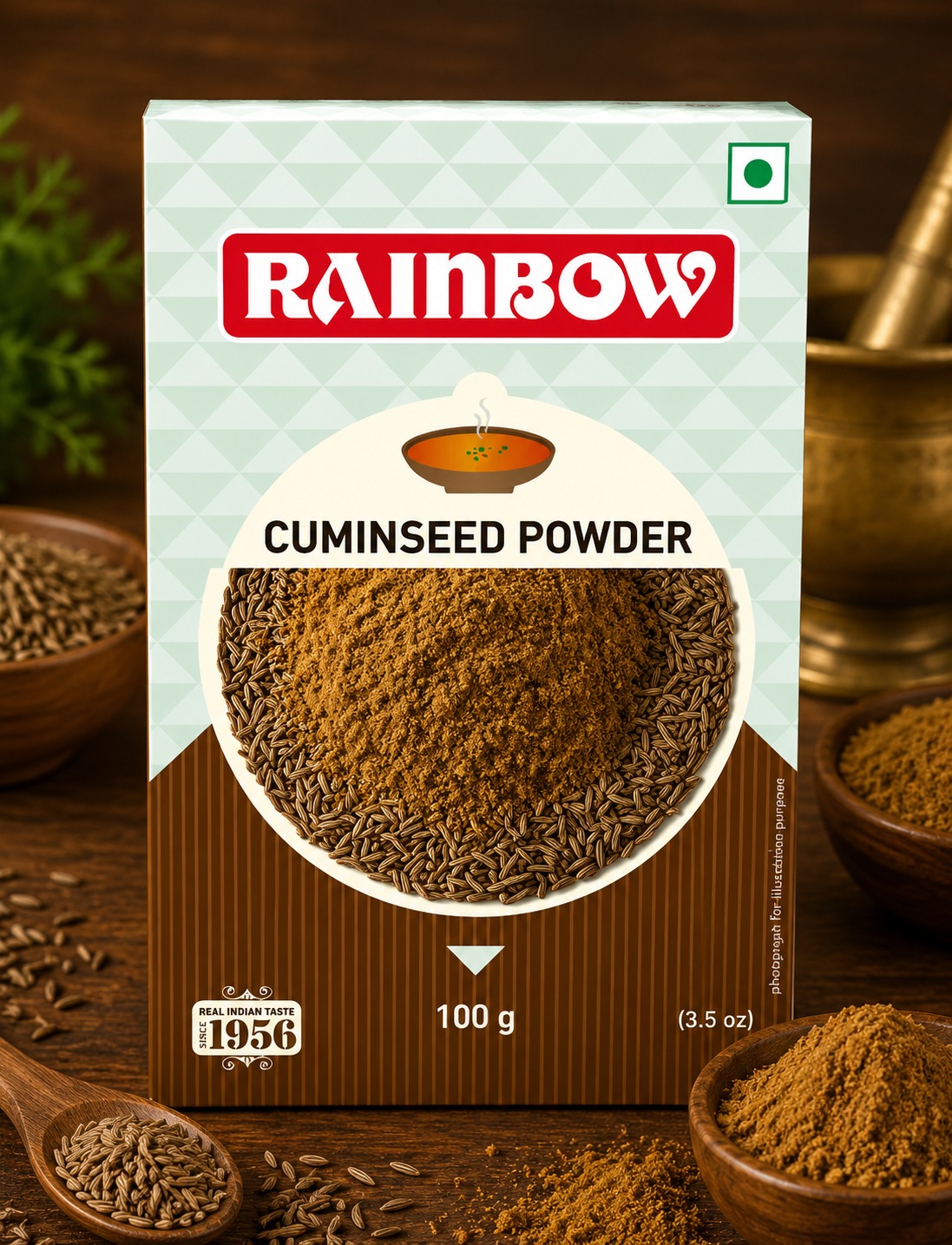
Why Do Spices Smell Strong in the Packet but Weak in the Pan?
Have you ever opened a packet of masala and been greeted by a wonderful aroma, only to find that the same fragrance seems to disappear once the spice is added to the pan?
Many people assume this happens because the spice is old or because the recipe is incorrect. While storage and cooking techniques can certainly influence flavour, another factor often receives far less attention “how the spice was processed before it reached your kitchen”.
The way spices are cleaned, ground, and blended can affect how well they retain their natural aroma and flavour during cooking. Among these processing steps, temperature during grinding plays an important role.
Where Does the Aroma of Spices Come From?
The characteristic aroma of spices comes from naturally occurring compounds known as volatile oils.
These compounds give cinnamon its warm sweetness, cardamom its floral fragrance, cumin its earthy aroma, and black pepper its distinctive sharpness.
When spices are heated during cooking, these aromatic compounds are released, helping create the flavours we associate with Indian cuisine.
However, the amount of aroma available during cooking depends not only on the quality of the spice but also on how it was processed.
Grinding Creates Heat
Grinding transforms whole spices into powders that are easier to blend and use.
During this process, friction between the grinding equipment and the spices naturally generates heat.
If this heat is not carefully managed, some volatile aromatic compounds may be affected before the product even reaches the consumer.
This is one reason why manufacturers pay close attention to grinding conditions, especially when processing highly aromatic spices.
Why Temperature Matters
Different spices respond differently to heat.
Aromatic spices such as:
- ✦Cardamom
- ✦Cloves
- ✦Cinnamon
- ✦Nutmeg
- ✦Black Pepper
- ✦Cumin
contain delicate compounds that contribute significantly to their flavour profile.
Excessive processing temperatures may reduce the intensity of these natural aromas. By controlling grinding temperatures, manufacturers can help preserve more of the spice’s original sensory characteristics.
The objective isn’t simply to produce a fine powder, it’s to retain the qualities that make each spice unique.
The Role of Cold Processing
Some manufacturers use temperature-controlled or cold processing techniques to minimise unnecessary heat during grinding.
The goal is to help preserve:
- ✦Natural aroma
- ✦Flavour
- ✦Colour
- ✦Essential volatile compounds
By reducing heat exposure, spices may retain more of their characteristic sensory properties.
Cold processing doesn’t change the spice itself, it simply helps protect what nature has already provided.
Why This Matters in Professional Kitchens
For restaurants, hotels, and catering businesses, consistency is just as important as flavour.
When spice blends retain their natural aromatic properties, they can contribute to:
- ✦More consistent flavour profiles
- ✦Better aroma during cooking
- ✦Improved colour development
- ✦Predictable performance across batches
Professional kitchens rely on ingredients that perform consistently from one service to the next.
Is Aroma the Same as Freshness?
Not always.
A spice may smell pleasant when you first open the packet, but its performance during cooking depends on several factors, including:
- ✦Raw material quality
- ✦Processing methods
- ✦Grinding conditions
- ✦Packaging
- ✦Storage after purchase
These factors work together to determine how the spice behaves in the pan.
Why Proper Processing Matters More Than Fine Grinding
Consumers often judge spice quality by how fine the powder looks.
However, manufacturers evaluate many additional parameters, including:
- ✦Grinding temperature
- ✦Particle Size Distribution
- ✦Mesh size
- ✦Moisture content
- ✦Batch-to-batch consistency
- ✦Aroma retention
Together, these factors influence how a spice blend performs throughout its shelf life and during cooking.
Rainbow Masala’s Approach
Since 1956, Rainbow Masala has focused on crafting spice blends that combine traditional expertise with modern manufacturing practices.
Our processing methods are designed to help protect the natural flavour compounds found in premium-quality spices while maintaining hygiene, consistency, and dependable performance.
For households, restaurants, and bulk buyers alike, this means spice blends that are developed not only for authentic taste but also for reliable cooking results.
Key Terminologies
Volatile Oils
Naturally occurring aromatic compounds found in spices that contribute to their characteristic flavour and fragrance.
Grinding Temperature
The temperature generated during the grinding process due to mechanical friction.
Cold Processing
A processing approach that controls temperature during grinding to help preserve the natural aroma, flavour, and colour of spices.
Aroma Retention
The ability of a spice to maintain its natural fragrance throughout processing, packaging, storage, and cooking.
Batch-to-Batch Consistency
The ability to produce successive batches of a spice blend with similar aroma, flavour, appearance, and cooking performance.
Key Takeaways
- ✦The aroma of spices comes from naturally occurring volatile oils.
- ✦Grinding generates heat, which manufacturers carefully manage during processing.
- ✦Temperature-controlled processing helps preserve the natural aroma and flavour of spices.
- ✦The performance of a spice depends on both ingredient quality and manufacturing practices.
- ✦Consistent processing contributes to more predictable cooking results for home cooks and professional kitchens alike.
Sources & further reading
Taste the difference in your own kitchen.
Explore the Rainbow Masala range, blends crafted with the same care this article describes, or try one of our recipes.