

Buying Smart · 2026-07-23 · 5 min read
Should You Buy Loose Spice Powder or Packaged Spices? Understanding the Difference Before You Shop
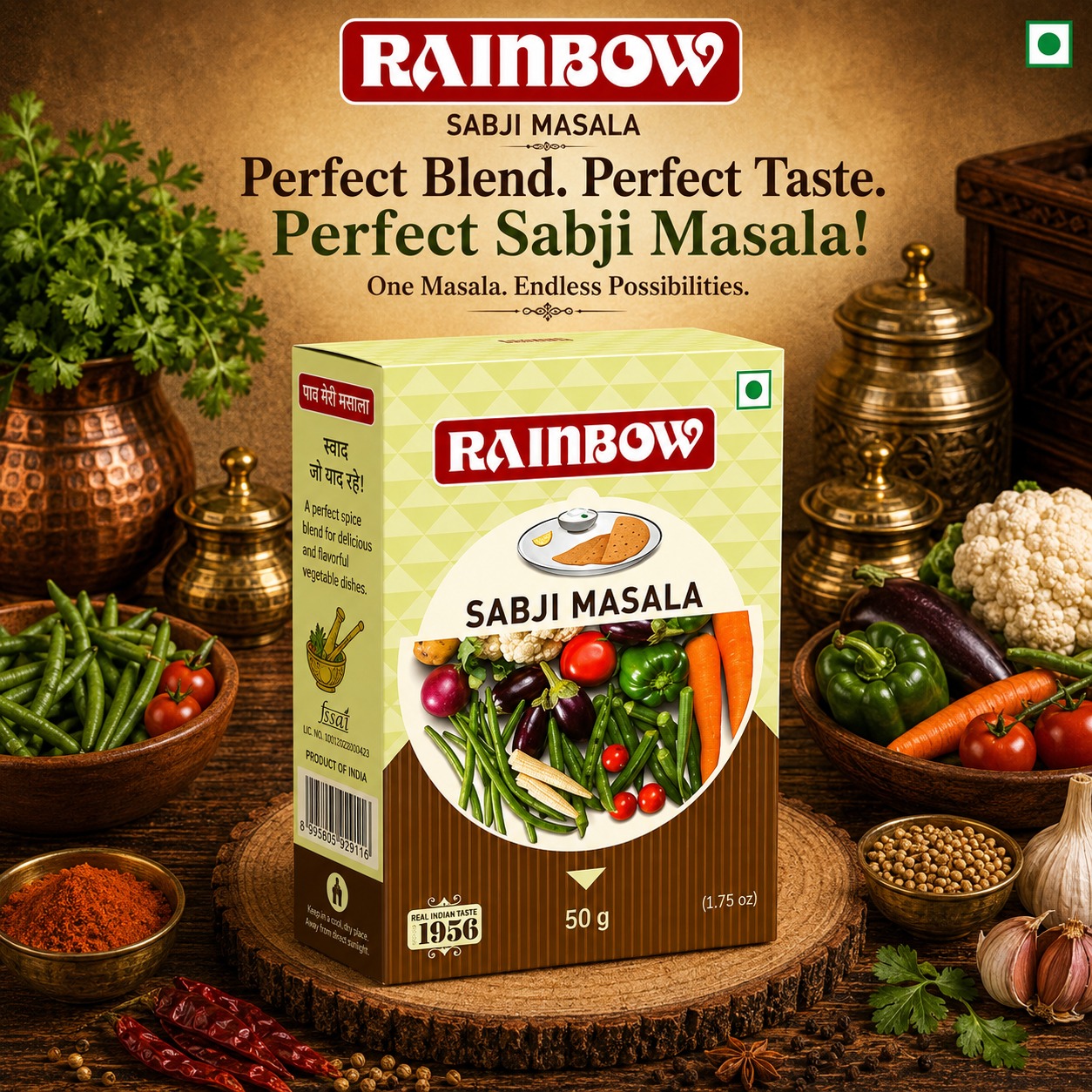
Loose Spice Powder vs Packaged Spices: Which Should You Buy?
Walk through a traditional Indian market and you’ll often find colourful heaps of chilli powder, turmeric, coriander powder, and blended masalas displayed in open containers.
Walk into a supermarket and you’ll see neatly sealed packets carrying detailed labels, manufacturing dates, ingredient lists, and FSSAI licence numbers.
Both are familiar sights.
But when it comes to buying spices, which option should consumers choose?
The answer isn’t about convenience alone.
It involves quality, traceability, freshness, storage, and food safety.
Understanding these differences can help you make more informed purchasing decisions.
Why Are Loose Spices Still Popular?
Loose spices have been part of Indian markets for generations.
Many consumers choose them because they:
- ✦Can buy exactly the quantity they need
- ✦Have established relationships with local retailers
- ✦Enjoy seeing the product before purchasing
- ✦Believe freshly ground spices offer better flavour
In many communities, local spice shops continue to enjoy strong customer loyalty built over decades.
Why Have Packaged Spices Become More Popular?
Over the past few decades, packaged spices have become increasingly popular because they offer:
- ✦Convenience
- ✦Standardised recipes
- ✦Product information
- ✦Better traceability
- ✦Easier storage
Consumers today also want greater transparency about the products they buy.
Packaging helps provide that information.
What Does FSSAI Recommend?
The Food Safety and Standards Authority of India (FSSAI) advises consumers to prefer packaged ground spices from reliable manufacturers because packaged products generally provide:
- ✦Better traceability
- ✦Proper labelling
- ✦Manufacturing information
- ✦Batch identification
- ✦Food business licence details
FSSAI has also highlighted that loose ground spices may present a greater risk of adulteration because their source and manufacturing history are often difficult to verify.
This recommendation does not mean every loose spice is unsafe, it simply encourages consumers to make informed choices.
Traceability: Knowing Where Your Spice Came From
One of the biggest advantages of packaged spices is traceability.
A packaged product usually includes:
- ✦Manufacturer’s name
- ✦Manufacturing address
- ✦Batch number
- ✦Manufacturing date
- ✦Best Before date
- ✦Customer care information
- ✦FSSAI licence number
If consumers have questions about quality, these details make it easier to identify and contact the manufacturer.
Loose products often do not provide the same level of traceability.
What About Freshness?
Many people assume loose spices are always fresher.
That’s not necessarily true.
Freshness depends on several factors:
- ✦Quality of raw materials
- ✦Grinding date
- ✦Exposure to air
- ✦Storage conditions
- ✦Moisture control
Ground spices displayed in open containers may gradually lose aroma due to prolonged exposure to air, light, and humidity.
Professionally packaged spices are designed to minimise this exposure until the pack is opened.
Packaging Protects More Than Appearance
Packaging is not only about branding.
It also helps protect spices from:
- ✦Moisture
- ✦Dust
- ✦Insects
- ✦Light
- ✦Air
These factors influence aroma, flavour, and shelf life.
Good packaging helps preserve the quality of the spice from the factory to your kitchen.
Understanding Consistency
When you purchase the same packaged spice multiple times, you generally expect a similar flavour profile.
Professional manufacturers work to maintain consistency through:
- ✦Standardised recipes
- ✦Controlled blending
- ✦Quality testing
- ✦Batch monitoring
Loose spices may vary more depending on sourcing, grinding practices, and storage.
For restaurants and caterers, consistency is especially important because customers expect the same taste every visit.
Is Price the Only Difference?
Not at all.
Consumers should evaluate products based on:
- ✦Ingredient quality
- ✦Transparency
- ✦Packaging
- ✦Traceability
- ✦Storage
- ✦Consistency
Rather than price alone.
A slightly higher-priced product may offer better long-term value if it delivers dependable quality and flavour.
When Might Whole Loose Spices Still Make Sense?
Whole spices are easier to identify visually than ground powders.
Many experienced cooks prefer purchasing whole spices such as:
- ✦Cinnamon sticks
- ✦Cardamom
- ✦Cloves
- ✦Bay leaves
- ✦Star anise
and then grinding them at home when required.
This approach combines freshness with visual inspection.
Choosing What’s Right for You
There isn’t a single answer that fits everyone.
If you value:
- ✦Convenience
- ✦Consistent flavour
- ✦Clear labelling
- ✦Product traceability
- ✦Regulated packaging
Packaged spices are often the better choice.
If you buy whole spices from trusted local retailers and grind them yourself, that can also be an excellent option.
The important point is to buy from sources you trust and store spices correctly.
🌈 Why Rainbow Masala Believes Transparency Builds Trust
At Rainbow Masala, we believe consumers deserve to know exactly what they’re buying.
Since 1956, we’ve focused on producing spice blends that combine authentic flavour with responsible manufacturing and transparent packaging.
Every Rainbow Masala pack is designed to provide confidence through:
- ✦Clearly labelled ingredients
- ✦Batch traceability
- ✦FSSAI-compliant labelling
- ✦Hygienic packaging
- ✦Carefully selected whole spices
- ✦Quality testing before packaging
- ✦No added artificial colours
- ✦No added artificial flavours
- ✦No added preservatives in our spice blends
Because trust begins with transparency, and transparency begins with the pack in your hand.
Loose Spices vs Packaged Spices
Feature
Loose Spices
Packaged Spices
Product Information
Often limited
Clearly labelled
Batch Number
Usually unavailable
Available
FSSAI Licence Information
Usually not displayed
Displayed on the pack
Traceability
Limited
High
Packaging Protection
Depends on the retailer
Designed to protect freshness
Convenience
Quantity flexibility
Ready to use and store
Consistency
Can vary
Standardised by the manufacturer
Common Buying Mistakes
Avoid these common mistakes:
❌ Assuming loose spices are always fresher
❌ Choosing only by price
❌ Ignoring food labels
❌ Buying damaged packages
❌ Storing spices in humid environments
❌ Forgetting to transfer opened packs into airtight containers
Key Takeaways
- ✦Loose and packaged spices both have a place in Indian kitchens.
- ✦FSSAI recommends buying packaged ground spices from trusted manufacturers because they offer better traceability and product information.
- ✦Packaging helps protect spices from moisture, light, and contamination.
- ✦Whole spices bought from trusted sources and ground at home remain a popular choice for many cooks.
- ✦Buying from transparent brands allows consumers to make informed decisions.
Taste the difference in your own kitchen.
Explore the Rainbow Masala range, blends crafted with the same care this article describes, or try one of our recipes.