

Purity & Safety · 2026-07-25 · 6 min read
What Does the FSSAI Licence Number on a Spice Pack Mean? A Consumer’s Guide to Buying Safe Food
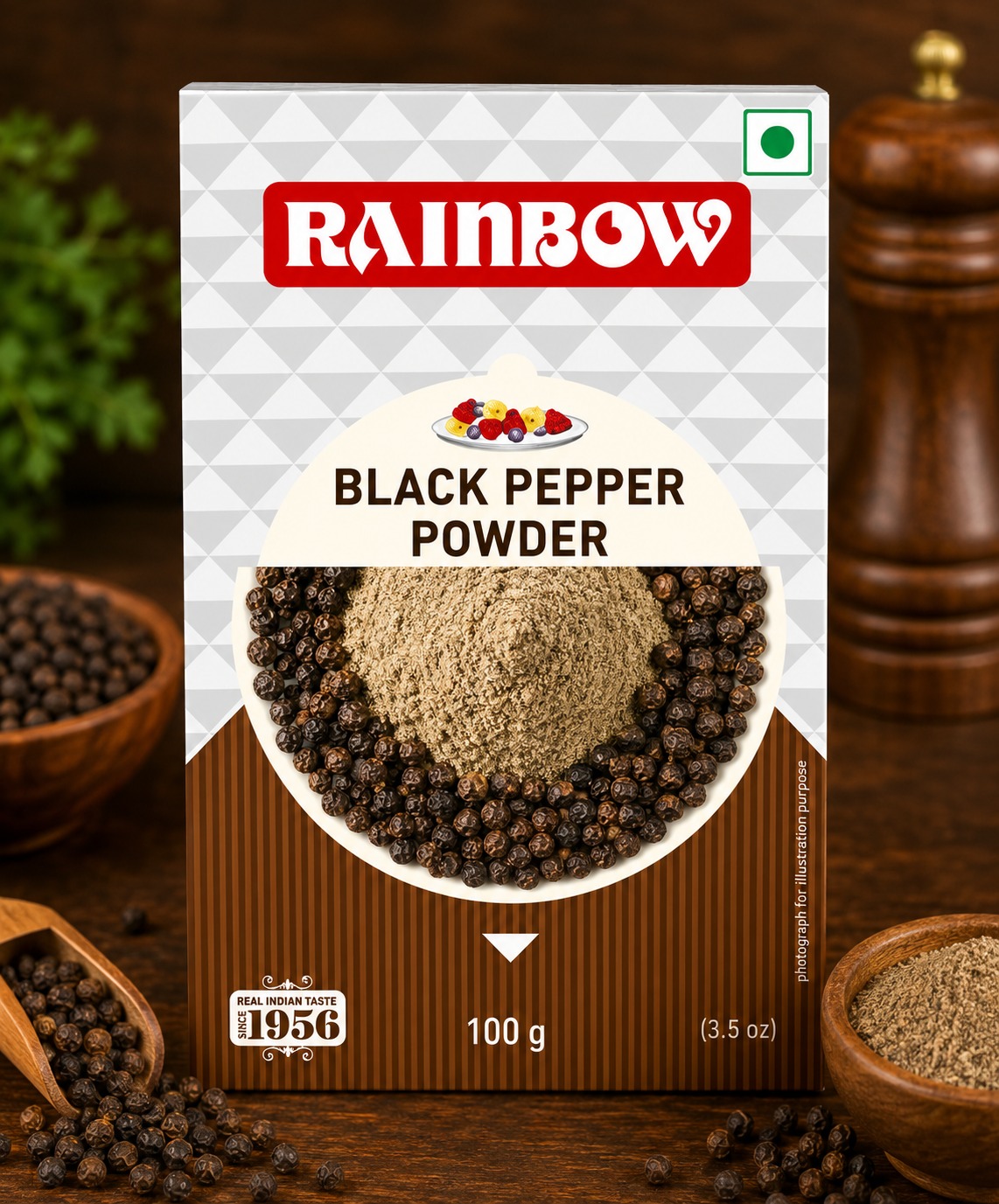
What Does the FSSAI Licence Number Mean? A Guide for Spice Buyers
Turn over almost any packet of spices or masalas sold in India and you’ll notice a 14-digit number printed somewhere on the label.
Most of us see it every day.
Very few of us know what it actually means.
That number is the FSSAI Licence Number, and it’s one of the most important pieces of information on any packaged food product.
While it doesn’t tell you whether a spice is the “best” on the shelf, it does tell you that the food business is licensed or registered under India’s food safety framework and can be identified through that licence.
Understanding this simple number can help you become a more informed consumer.
What Is FSSAI?
FSSAI stands for the Food Safety and Standards Authority of India.
It is the statutory body established under the Food Safety and Standards Act, 2006, operating under the Ministry of Health & Family Welfare, Government of India.
Its role is to regulate and oversee food safety across the country by setting standards, licensing food businesses, and helping ensure that food sold to consumers complies with applicable regulations.
Every day, millions of packaged food products, including spices, masalas, snacks, beverages, dairy products, and edible oils, are sold under this regulatory framework.
What Is the FSSAI Licence Number?
The FSSAI licence number is a unique 14-digit identification number assigned to eligible food businesses.
It helps identify the business responsible for manufacturing, processing, packing, storing, distributing, or selling a food product.
Think of it as a traceability tool.
If there is ever a question about a product, regulators and consumers can identify the responsible food business through this number.
Why Is It Printed on Every Packaged Spice?
Food labels are designed to give consumers important information before they make a purchase.
The FSSAI licence number is included so that consumers can identify the licensed food business behind the product.
Along with the licence number, packaged spice labels usually include:
- ✦Manufacturer’s name
- ✦Address
- ✦Batch number
- ✦Manufacturing date
- ✦Best Before date
- ✦Net quantity
- ✦Ingredient list
- ✦Customer care details
Together, these details improve transparency and accountability.
Does an FSSAI Licence Mean the Product Is “Certified Best”?
No.
This is one of the biggest misconceptions.
An FSSAI licence does not rank or rate products.
It also doesn’t mean one licensed brand is automatically better than another.
Instead, it indicates that the food business is operating under the applicable licensing or registration requirements established by FSSAI.
Consumers should still evaluate products based on factors such as:
- ✦Ingredients
- ✦Packaging
- ✦Freshness
- ✦Brand reputation
- ✦Quality practices
- ✦Storage instructions
Why Is It Important for Consumers?
Knowing whether a product carries an FSSAI licence number provides several advantages.
It allows consumers to:
- ✦Identify the food business responsible for the product.
- ✦Verify that the manufacturer is operating within India’s food regulatory system.
- ✦Purchase products with better traceability.
- ✦Make informed buying decisions.
It’s one small detail that contributes to greater consumer confidence.
Where Can You Find the Licence Number?
Depending on the packaging design, the FSSAI licence number is usually printed:
- ✦Near the manufacturer’s details
- ✦Close to the nutritional information
- ✦Beside the FSSAI logo
- ✦On the back or side panel of the pack
If you’re unsure, take a moment to inspect the label carefully.
What Else Should You Read on the Label?
The FSSAI licence is only one part of the story.
Before buying packaged spices, also check:
- ✦Manufacturing date
- ✦Best Before date
- ✦Ingredient list
- ✦Batch number
- ✦Storage instructions
- ✦Manufacturer’s contact details
- ✦Net quantity
Reading the complete label helps you make a more informed purchase.
Can You Verify an FSSAI Licence?
Yes.
Consumers can verify the validity of an FSSAI licence using official tools provided by FSSAI.
If you ever want to confirm whether a licence number belongs to a registered food business, you can do so through the official FSSAI portal.
This adds another layer of transparency to India’s food safety system.
Why Food Traceability Matters
Imagine a manufacturer discovers a quality issue in one production batch.
Because every pack carries a batch number and is linked to a licensed food business, the affected products can be identified more efficiently.
This ability to trace products through the supply chain is one reason why modern food labelling is so important.
It protects both consumers and responsible manufacturers.
Beyond Compliance: Why Responsible Brands Go Further
Meeting regulatory requirements is essential.
But truly trusted food brands often invest in additional quality practices such as:
- ✦Careful sourcing of raw materials
- ✦Quality testing
- ✦Hygienic manufacturing
- ✦Controlled processing
- ✦Batch-to-batch consistency
- ✦Transparent labelling
Compliance is the starting point.
Building consumer trust requires going beyond the minimum requirements.
🌈 Rainbow Masala’s Commitment to Transparency
Since 1956, Rainbow Masala has believed that every pack should inspire confidence before it’s even opened.
That’s why our products are manufactured and labelled in accordance with applicable food regulations, while also providing consumers with the information they need to make informed choices.
Every Rainbow Masala pack includes:
- ✦FSSAI-compliant labelling
- ✦Clear ingredient declaration
- ✦Batch number for traceability
- ✦Manufacturing and Best Before dates
- ✦Storage instructions
- ✦Manufacturer and customer support details
Beyond compliance, we focus on what truly matters in the kitchen:
- ✦Carefully selected whole spices
- ✦Hygienic manufacturing
- ✦Consistent flavour
- ✦Quality checks before packaging
- ✦No added artificial colours
- ✦No added artificial flavours
- ✦No added preservatives in our spice blends
Because transparency doesn’t end with a licence number.
It continues through every stage, from sourcing and manufacturing to the meal served on your table.
Quick Label Reading Checklist
Before buying your next packet of spices, check whether it includes:
☐ FSSAI licence number
☐ Manufacturer’s name and address
☐ Ingredient list
☐ Batch or lot number
☐ Manufacturing date
☐ Best Before date
☐ Storage instructions
☐ Customer care details
A well-labelled product helps consumers make informed decisions with confidence.
Key Takeaways
- ✦The FSSAI licence number identifies the licensed food business responsible for the product.
- ✦It improves traceability and transparency but is not a quality ranking or endorsement.
- ✦Consumers should read the complete food label, not just one detail.
- ✦Good labelling supports informed buying decisions.
- ✦Trusted brands combine regulatory compliance with consistent quality and transparent practices.
Continue Reading
Continue exploring The Smart Spice Buyer Guide:
- ✦How to Buy Good Quality Spices: 15 Things Every Consumer Should Check
- ✦What Should You Check Before Buying Packaged Masalas?
- ✦Whole Spices vs Ground Spices: Which Should You Buy?
- ✦Should You Buy Loose Spice Powder or Packaged Spices?
- ✦Can You Check Spice Purity at Home?
- ✦AGMARK vs FSSAI: What’s the Difference?
Taste the difference in your own kitchen.
Explore the Rainbow Masala range, blends crafted with the same care this article describes, or try one of our recipes.