

Masala Secrets · 2026-06-25 · 5 min read
What Is the Difference Between Garam Masala and Kitchen King Masala? Which One Should You Use?
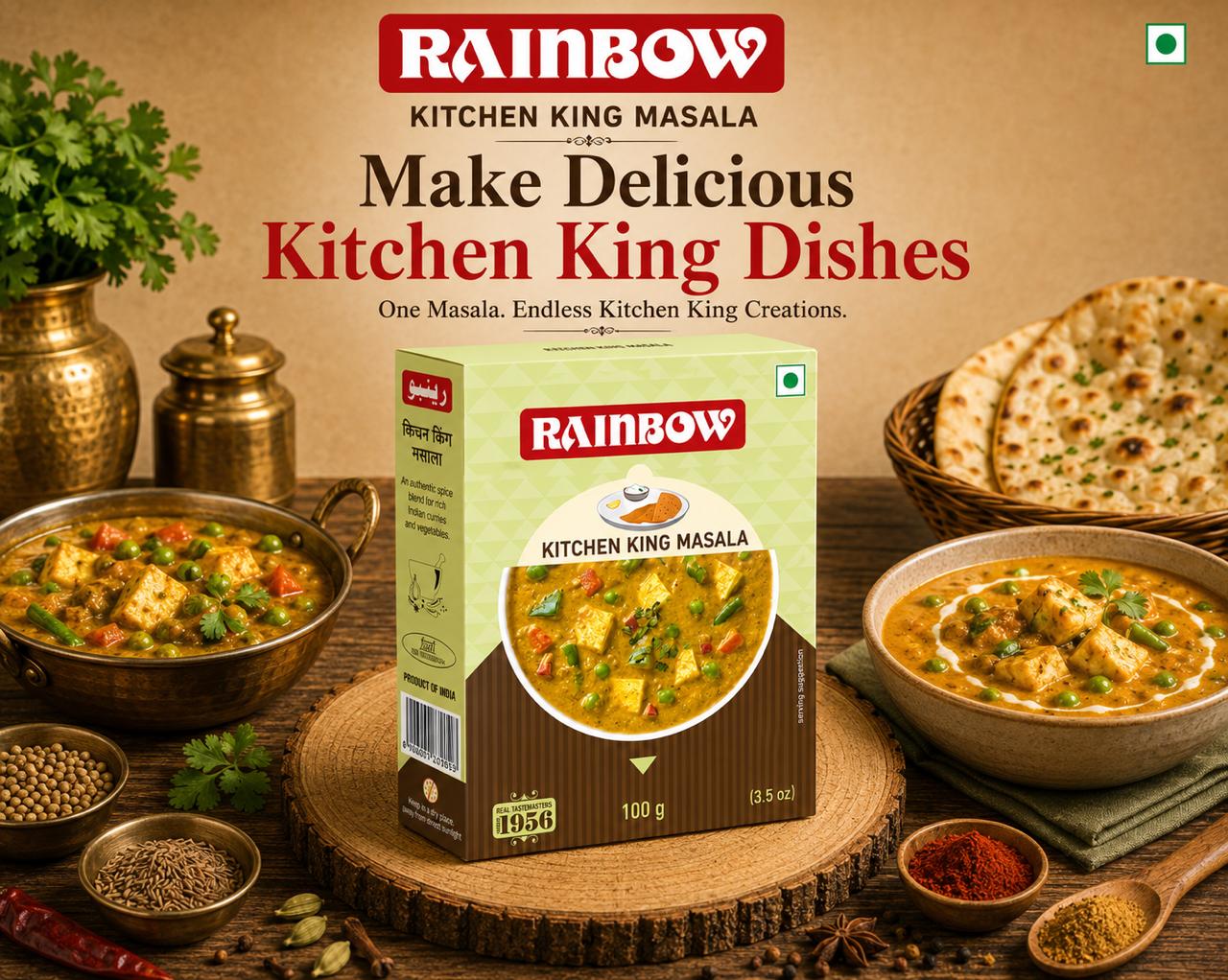
Difference Between Garam Masala and Kitchen King Masala | Which One Should You Use?
Many people assume Kitchen King Masala and Garam Masala are interchangeable.
After all, both are blended spice mixes.
Both are used in Indian cooking.
Both add flavour.
So what’s the difference?
The answer is simple:
Kitchen King Masala builds the dish. Garam Masala finishes it.
Understanding when and how each blend is used can make a noticeable difference to the flavour, aroma, and balance of your cooking.
Why Were These Two Masalas Created?
Indian cooking has always relied on spice blends rather than individual spices alone.
As recipes evolved, different masalas were developed for different purposes.
Garam Masala originated as an aromatic finishing blend, designed to enhance the final aroma of a dish.
Kitchen King Masala, on the other hand, emerged as a versatile all-purpose blend that could simplify everyday cooking while delivering consistent flavour across a wide range of recipes.
Today, professional kitchens often use both, but at different stages of cooking.
What Is Garam Masala?
Garam Masala is primarily an aromatic finishing blend.
It usually contains spices such as:
- ✦Cardamom
- ✦Cloves
- ✦Cinnamon
- ✦Black Pepper
- ✦Nutmeg
- ✦Bay Leaf
Some regional recipes may also include mace, cumin, or fennel.
Its purpose isn’t to make food spicy.
Instead, it provides:
✨ Aroma
✨ Warmth
✨ Complexity
✨ A finishing touch
For this reason, Garam Masala is often added during the final few minutes of cooking.
What Is Kitchen King Masala?
Kitchen King Masala is an all-purpose cooking blend designed to build flavour throughout the cooking process.
A typical Kitchen King blend may include:
- ✦Coriander
- ✦Cumin
- ✦Turmeric
- ✦Red Chilli
- ✦Black Pepper
- ✦Dry Ginger
- ✦Cardamom
- ✦Cloves
- ✦Bay Leaf
- ✦Other complementary spices
Unlike Garam Masala, Kitchen King is usually added while preparing the onion-tomato base or gravy.
Its role is to create:
✨ Rich colour
✨ Balanced flavour
✨ Mild warmth
✨ Depth throughout the dish
Rather than standing out on its own, it supports the entire recipe.
Kitchen King vs Garam Masala
Feature
Kitchen King Masala
Garam Masala
Primary Role
Builds flavour
Finishes flavour
Added When
During cooking
Towards the end
Purpose
Body, depth & colour
Aroma & warmth
Best For
Curries, vegetables, paneer, dals, gravies
Final seasoning for curries, dals, biryanis, and vegetables
Flavour Profile
Balanced and versatile
Aromatic and concentrated
Both blends have different jobs, and together they create restaurant-style flavour.
Can You Use One Instead of the Other?
Sometimes.
But the results won’t be exactly the same.
If you replace Kitchen King Masala with Garam Masala, your curry may lack body and depth because Garam Masala isn’t designed to build the gravy.
If you replace Garam Masala with Kitchen King Masala, the dish may miss the fresh aromatic finish that Garam Masala provides.
For the best results, use each blend for its intended purpose.
Why Restaurants Use Both
Walk into a professional kitchen and you’ll rarely find chefs relying on just one masala.
Instead, they build flavour in layers.
A common approach is:
1.0
Whole spices to create the initial aroma.
2.0
Kitchen King Masala while cooking the onion-tomato gravy.
3.0
Garam Masala towards the end for its signature fragrance.
Each stage contributes something different, creating the balanced, layered flavour associated with restaurant-style cooking.
Where Should You Use Kitchen King Masala?
Kitchen King Masala is ideal for:
- ✦Mixed Vegetable Curry
- ✦Paneer Butter Masala
- ✦Paneer Lababdar
- ✦Dal Fry & Dal Tadka
- ✦Rajma
- ✦Chole
- ✦Mixed Vegetable Pulao
- ✦Stuffed Vegetables
- ✦Everyday Curries
Because of its versatility, it’s often one of the most frequently used spice blends in both home and commercial kitchens.
🌈 The Rainbow Masala Difference
Understanding the difference between Kitchen King Masala and Garam Masala is only the first step.
The real difference comes from how those blends are crafted.
Since 1956, Rainbow Masala has been creating spice blends that respect the unique role each masala plays in Indian cooking.
Our Kitchen King Masala isn’t simply a mixture of spices, it’s carefully balanced to become the foundation of everyday cooking. Premium-quality coriander creates body, cumin adds warmth, turmeric contributes natural colour, black pepper brings depth, and aromatic spices complete the flavour profile without overpowering your vegetables or curries.
Our Garam Masala is crafted differently because its role is different. Using carefully selected aromatic whole spices such as cardamom, cloves, cinnamon, black pepper, and nutmeg, it delivers the final burst of fragrance that transforms a good dish into a memorable one.
Every Rainbow Masala blend is:
- ✦Crafted from premium-quality whole spices
- ✦Batch-tested for consistent flavour and aroma
- ✦Free from added artificial colours
- ✦Free from added artificial flavours
- ✦Free from added preservatives
- ✦Manufactured under strict hygiene and quality standards
Whether you’re cooking a simple weekday meal, serving guests at home, or preparing hundreds of portions in a professional kitchen, using the right spice blend at the right stage helps create dishes that are rich, balanced, and consistently delicious.
Kitchen King builds the story. Garam Masala writes the final chapter.
Key Takeaways
- ✦Kitchen King Masala and Garam Masala are not the same.
- ✦Kitchen King is used during cooking to build flavour, colour, and depth.
- ✦Garam Masala is generally added towards the end to enhance aroma.
- ✦Professional kitchens often use both blends together for layered flavour.
- ✦Choosing the right blend for the right stage creates more balanced and authentic Indian dishes.
Sources & further reading
Taste the difference in your own kitchen.
Explore the Rainbow Masala range, blends crafted with the same care this article describes, or try one of our recipes.