

Buying Smart · 2026-07-21 · 6 min read
What Should You Check Before Buying Packaged Masalas? A Complete Consumer Guide
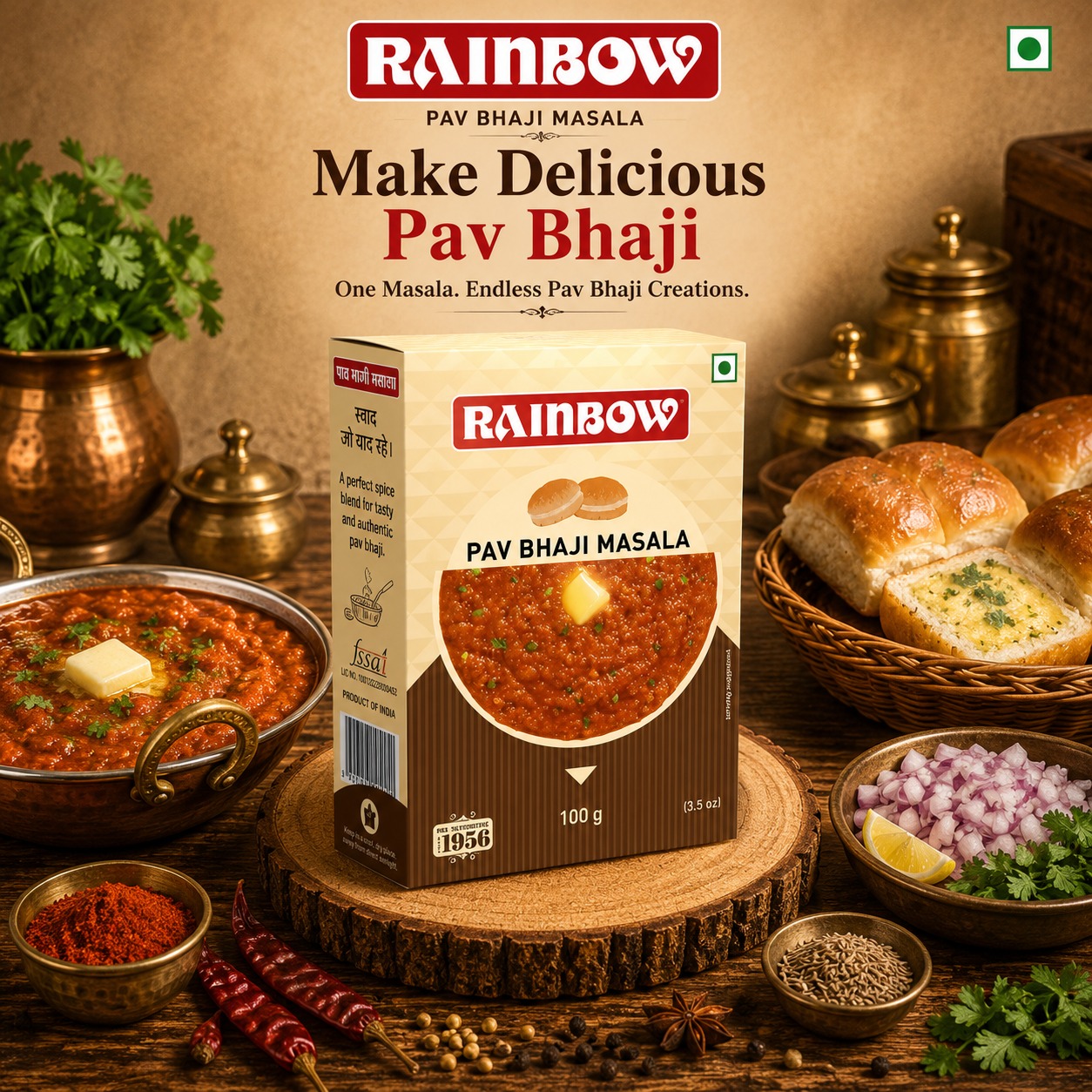
Imagine picking up two packets of Garam Masala from a supermarket shelf.
Both look attractive.
Both promise authentic flavour.
Both are priced similarly.
So which one should you choose?
Most consumers decide based on price, packaging, or familiarity with the brand.
However, the real indicators of quality are often printed quietly on the back of the pack.
A packaged masala isn’t just a spice blend, it’s a food product regulated under Indian food laws. Learning how to read the label helps you make better buying decisions and gives you confidence in the product you’re bringing into your kitchen.
Why Food Labels Matter
A food label is more than just packaging.
It provides essential information about:
- ✦What’s inside the product
- ✦Who manufactured it
- ✦When it was packed
- ✦How long it should be used
- ✦How it should be stored
- ✦How it can be traced if needed
Reading these details takes less than a minute but can make a significant difference in choosing the right product.
1. Check the Product Name Carefully
It may sound obvious, but always read the product name completely.
For example:
- ✦Garam Masala
- ✦Kitchen King Masala
- ✦Pav Bhaji Masala
- ✦Chole Masala
- ✦Chicken Masala
Each blend is formulated differently for a specific style of cooking.
Choosing the right blend ensures the best cooking results.
2. Read the Ingredient List
The ingredient panel tells you exactly what the product contains.
For blended masalas, you’ll typically find a combination of spices and, depending on the recipe, ingredients such as salt or herbs.
If you have dietary preferences or allergies, reading the ingredient list becomes even more important.
Transparent labelling is a sign of a responsible manufacturer.
3. Look for the FSSAI Licence Number
Every packaged food product manufactured in India should display its FSSAI licence number.
This licence indicates that the food business is registered or licensed under the Food Safety and Standards Authority of India (FSSAI).
Consumers should always check that this information is clearly printed on the pack.
4. Check the Manufacturing Date
Freshness matters.
Although spices have a relatively long shelf life, their aroma and flavour gradually decline over time.
Choosing a recently manufactured product generally helps you enjoy better flavour and aroma.
5. Don’t Ignore the Best Before Date
Many people confuse “Best Before” with “Expiry.”
For spices, the “Best Before” date indicates the period during which the product is expected to retain its optimal quality when stored correctly.
Even after that period, the biggest change is usually in flavour and aroma, not necessarily food safety, but consumers should always follow the manufacturer’s guidance.
6. Find the Batch or Lot Number
The batch number is one of the most overlooked details on food packaging.
Yet it plays an important role.
If a manufacturer ever needs to investigate a quality concern or conduct a product recall, the batch number helps identify the exact production lot.
It’s an important part of modern food traceability.
7. Read the Storage Instructions
Proper storage begins the moment you bring the product home.
Most packaged masalas recommend:
- ✦Storing in a cool, dry place
- ✦Keeping away from direct sunlight
- ✦Closing the pack tightly after use
- ✦Transferring to an airtight container if required
Following these instructions helps preserve the spice’s natural aroma and flavour.
8. Check the Net Quantity
Don’t compare products by pack size alone.
Instead, compare:
- ✦Net weight
- ✦Price per 100 grams
- ✦Intended usage
Sometimes a slightly larger pack offers better value if you use the product regularly.
9. Verify the Manufacturer’s Details
Every packaged food product should clearly identify the manufacturer or marketer.
Look for:
- ✦Company name
- ✦Address
- ✦Customer care details
- ✦Contact information
This transparency allows consumers to reach the company if they have questions or feedback.
10. Look for Quality Marks and Certifications
Depending on the product, you may see certifications such as:
- ✦FSSAI Licence
- ✦AGMARK (for eligible agricultural products)
- ✦ISO certifications
- ✦HACCP
Each certification serves a different purpose.
Understanding these marks helps consumers make more informed choices.
11. Check if the Packaging Is Intact
Before purchasing, inspect the pack carefully.
Avoid products that have:
- ✦Torn packaging
- ✦Broken seals
- ✦Moisture inside the pack
- ✦Signs of leakage
- ✦Damaged printing
Good packaging protects the product from moisture, air, and contamination.
12. Understand the Brand’s Transparency
Today’s consumers want more than just flavour.
They also want confidence.
A trustworthy brand is transparent about:
- ✦Ingredients
- ✦Manufacturing
- ✦Customer support
- ✦Storage guidance
- ✦Product information
Brands that openly share this information help consumers make informed purchasing decisions.
Common Buying Mistakes
Many consumers unknowingly make these mistakes:
❌ Buying without reading the label
❌ Ignoring manufacturing dates
❌ Choosing only by price
❌ Overlooking storage instructions
❌ Not checking the FSSAI licence
❌ Buying damaged packs
These small oversights can affect both quality and overall satisfaction.
🌈 Why Rainbow Masala Believes Every Label Should Build Trust
At Rainbow Masala, we believe every packet should communicate more than just a product name.
It should give consumers confidence.
Since 1956, we’ve focused on producing spice blends that combine authentic recipes with responsible manufacturing and transparent labelling.
Every Rainbow Masala pack includes information designed to help customers make informed choices, including:
- ✦Clear ingredient information
- ✦FSSAI-compliant labelling
- ✦Batch traceability
- ✦Manufacturing details
- ✦Storage guidance
- ✦Quality-tested products
- ✦No added artificial colours
- ✦No added artificial flavours
- ✦No added preservatives in our spice blends
Because trust begins long before the first spoonful is added to the pan.
It begins with knowing exactly what you’re buying.
📦 Packaged Masala Buying Checklist
Before adding a pack to your shopping basket, ask yourself:
☐ Is the product name correct?
☐ Have you read the ingredient list?
☐ Is the FSSAI licence number visible?
☐ Is the manufacturing date recent?
☐ Is the Best Before date clearly printed?
☐ Is the batch number available?
☐ Are storage instructions mentioned?
☐ Is the packaging intact?
☐ Are the manufacturer’s details available?
☐ Does the product meet your cooking requirements?
If the answer is “yes” to all of these, you’re making a more informed purchase.
Key Takeaways
- ✦Food labels provide valuable information beyond the product name.
- ✦Always read the ingredient list, manufacturing date, and storage instructions.
- ✦The FSSAI licence number and batch number improve transparency and traceability.
- ✦Intact packaging helps preserve spice quality.
- ✦Choosing a transparent, responsible brand leads to greater confidence and consistency.
Continue Reading
Continue exploring The Smart Spice Buyer Guide:
- ✦How to Buy Good Quality Spices: 15 Things Every Consumer Should Check
- ✦Whole Spices vs Ground Spices: Which One Should You Buy?
- ✦Why Buying Loose Spice Powder Can Be Risky
- ✦What Does the FSSAI Licence Number on a Spice Pack Mean?
- ✦How to Check Spice Purity at Home
- ✦How to Store Spices to Keep Them Fresh
Taste the difference in your own kitchen.
Explore the Rainbow Masala range, blends crafted with the same care this article describes, or try one of our recipes.