

Masala Secrets · 2026-07-05 · 4 min read
Why Do Chefs Roast Cumin (Jeera) Before Using It? The Secret Behind Its Richer Aroma
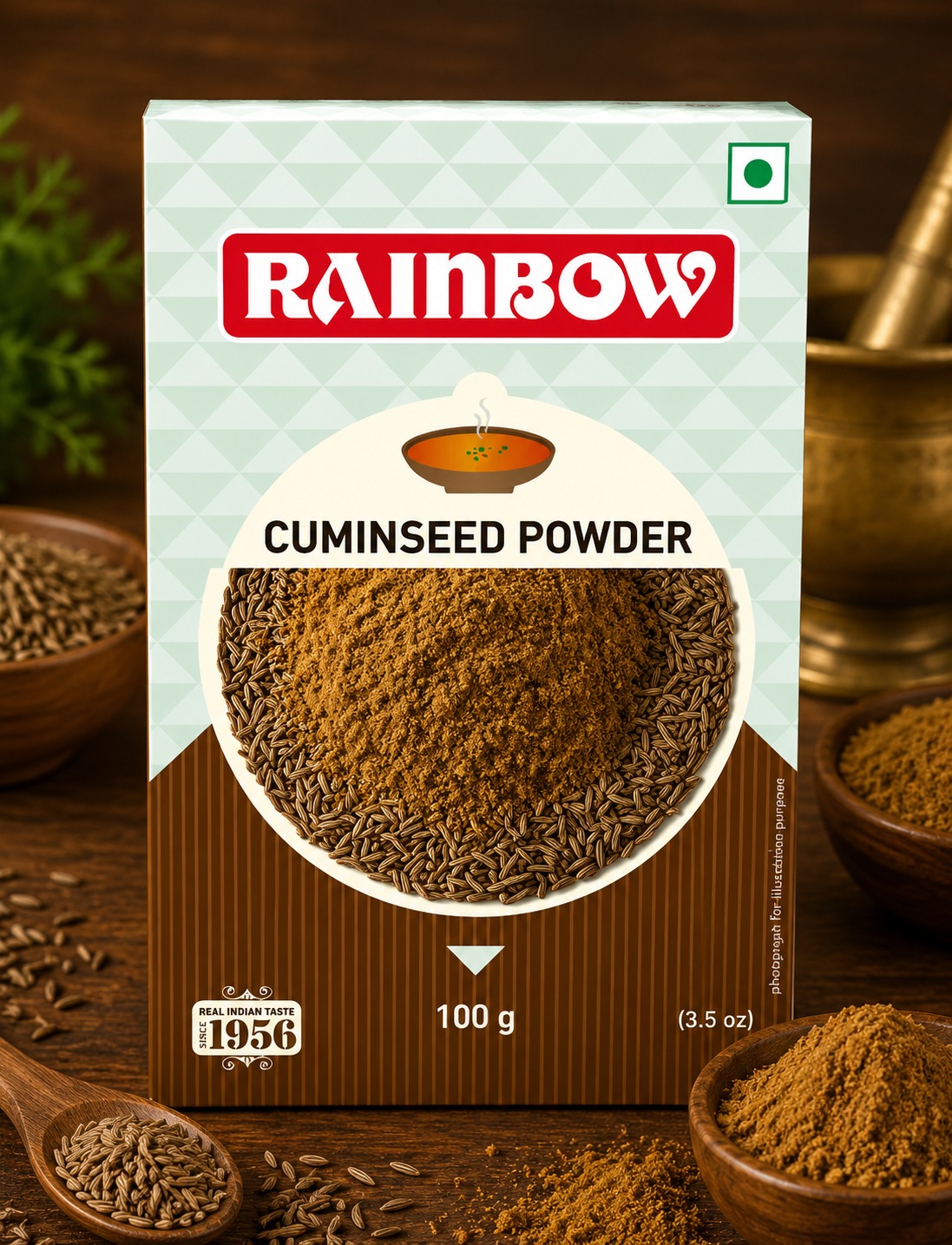
Why Do Chefs Roast Cumin Before Using It? The Science Behind Roasted Jeera
Open almost any Indian recipe for raita, Jaljeera, Chaat, buttermilk, or spice blends, and you’ll notice one ingredient appearing repeatedly:
Roasted Jeera Powder.
Not raw cumin.
Roasted cumin.
But why?
If both come from the same seed, what difference does roasting actually make?
The answer lies in aroma, flavour development, and the chemistry of spices.
A few minutes of careful roasting can completely transform cumin from earthy and mild into one of the most aromatic spices in your kitchen.
What Happens When Jeera Is Roasted?
Cumin seeds naturally contain aromatic compounds that give them their characteristic earthy flavour.
When gently heated over a dry pan, several changes take place.
The seeds begin to release their natural oils.
Moisture gradually evaporates.
The aroma becomes warmer, nuttier, and more intense.
This is why roasted cumin has a noticeably deeper flavour than raw cumin.
The objective isn’t to burn the spice.
It’s to gently unlock its natural aroma.
Raw Jeera vs Roasted Jeera
Although both come from the same seed, they serve different culinary purposes.
Raw Jeera
Roasted Jeera
Earthy flavour
Warm, nutty flavour
Used in tempering
Used for seasoning
Whole seeds crackle in oil
Usually ground after roasting
Builds the base of curries
Finishes beverages and snacks
Mild aroma
Richer aroma
Professional chefs often keep both in their kitchens because each contributes something different.
Why Is Roasted Jeera Used in So Many Indian Dishes?
Roasted cumin enhances dishes where fresh, bright flavours are important.
It is commonly used in:
- ✦Jaljeera
- ✦Raita
- ✦Chaas (Buttermilk)
- ✦Dahi Vada
- ✦Fruit Chaat
- ✦Chaat Masala
- ✦Bhel Puri
- ✦Roasted Makhana
- ✦Salads
Because it is added after cooking in many of these dishes, its aroma remains fresh and noticeable.
Why Don’t Chefs Roast Every Spice?
Every spice behaves differently when heated.
Some spices, such as cumin, develop richer flavours through roasting.
Others may lose their delicate aroma if exposed to prolonged heat.
That’s why spice roasting is always controlled.
Professional spice manufacturers carefully decide:
- ✦Which spices should be roasted.
- ✦How long they should be roasted.
- ✦At what temperature.
- ✦Whether roasting benefits the final blend.
This attention to detail helps create balanced spice blends rather than overly roasted ones.
Restaurant Tips for Roasting Jeera
🔥 1. Use Low to Medium Heat
Roasting cumin over high heat can burn the seeds before their aroma develops.
Gentle roasting allows the flavour to evolve naturally.
👃 2. Trust Your Nose
Experienced chefs don’t rely only on colour.
They roast cumin until a warm, nutty aroma begins to fill the kitchen.
That’s the signal that the spice is ready.
🥄 3. Cool Before Grinding
Freshly roasted cumin should be allowed to cool completely before grinding.
Grinding while the seeds are still hot may reduce the freshness of the final powder.
📦 4. Grind Only What You Need
Whole roasted cumin retains its flavour longer than pre-ground powder.
Many professional kitchens grind roasted cumin in small batches to preserve its aroma.
Why It Matters in HoReCa
Restaurants and caterers prepare large quantities of food every day, yet customers expect the same familiar flavour in every serving.
Roasted cumin plays an important role in achieving that consistency.
It helps deliver:
- ✦Rich aroma
- ✦Better flavour balance
- ✦Consistent seasoning
- ✦Authentic taste across batches
Whether used in beverages, snacks, or spice blends, roasted cumin contributes depth that customers immediately recognise.
🌈 The Rainbow Masala Difference
Since 1956, we’ve carefully selected premium-quality cumin and applied controlled processing methods that help preserve its authentic aroma while bringing out its naturally warm, nutty flavour.
Key Takeaways
- ✦Roasting cumin releases its natural aromatic oils and creates a richer, nuttier flavour.
- ✦Raw cumin and roasted cumin serve different purposes in cooking.
- ✦Roasted cumin is widely used in raita, Jaljeera, Chaat, buttermilk, and snack seasonings.
- ✦Gentle roasting is essential to preserve aroma without burning the spice.
- ✦High-quality roasted cumin depends on careful roasting, grinding, and storage.
Continue Reading
Continue exploring the Rainbow Spice Knowledge Hub:
- ✦Why Is Jeera Added First in Indian Cooking?
- ✦Why Was Jaljeera India’s Favourite Summer Drink Long Before Soft Drinks?
- ✦What Is the Difference Between Chat Masala and Chatpata Chat Masala?
- ✦Why Does Grinding Temperature Matter in Spice Manufacturing?
- ✦What Is Volatile Oil (VO) in Spices?
- ✦Why Is Black Pepper Called the King of Spices?
- ✦What Is the Difference Between a Spice Blend, Masala, and Seasoning?
Sources & further reading
Taste the difference in your own kitchen.
Explore the Rainbow Masala range, blends crafted with the same care this article describes, or try one of our recipes.