

Masala Secrets · 2026-06-28 · 5 min read
Why Do Some Vegetable Dishes Taste Amazing While Others Fall Flat? The Secret Lies in the Sabji Masala.
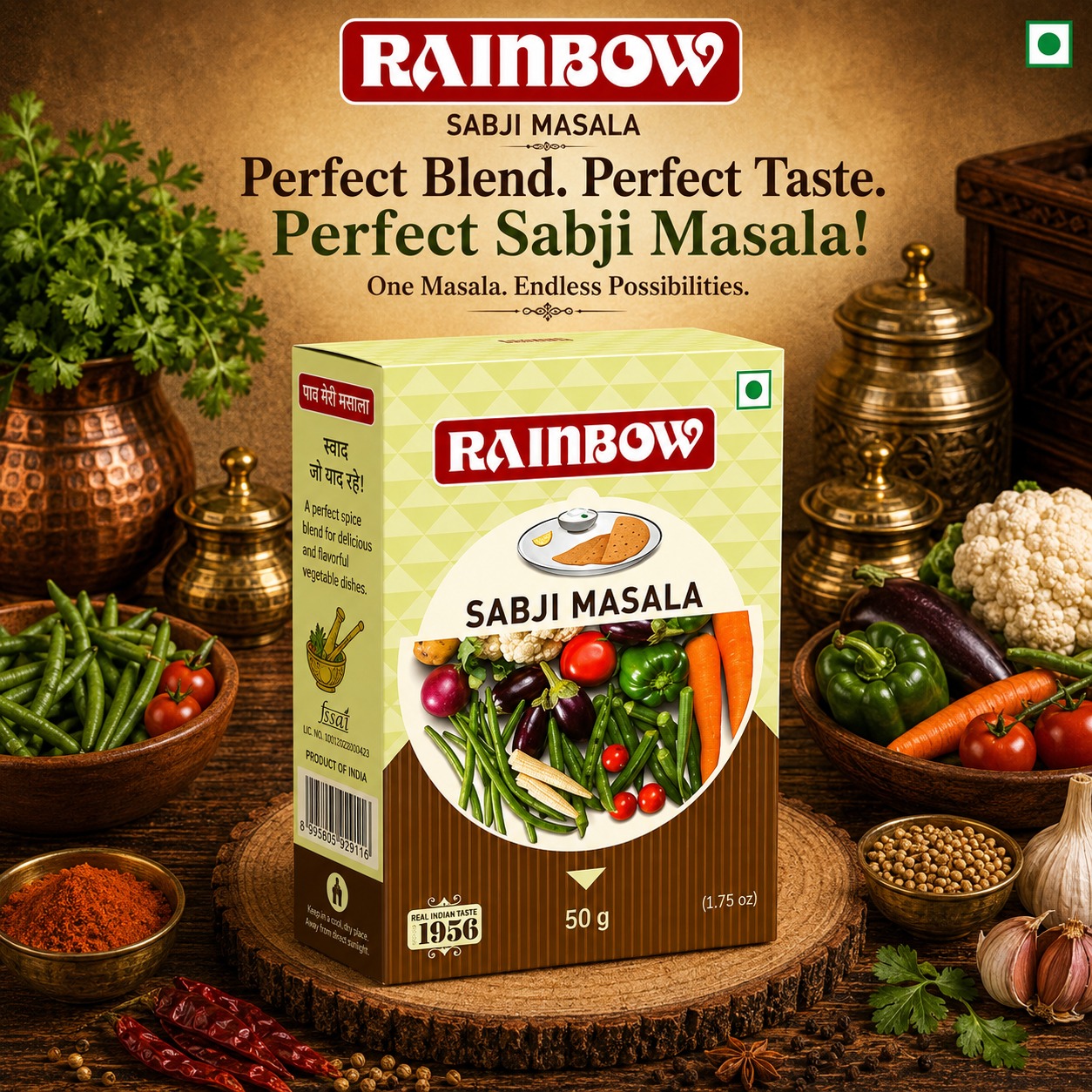
Why Do Some Vegetable Dishes Taste Better? The Secret Behind Sabji Masala
Have you ever wondered why a simple vegetable curry at a restaurant tastes so much more flavourful than the one you prepare at home?
After all, the ingredients are often the same.
Potatoes.
Cauliflower.
Beans.
Capsicum.
Peas.
Carrots.
So why does one dish become the highlight of the meal while another feels like an afterthought?
The answer isn’t more oil or more spices.
It’s understanding that vegetables need a different approach to seasoning than meat or paneer.
That’s exactly why Sabji Masala exists.
Why Do Vegetables Need Their Own Masala?
Unlike meat, vegetables don’t contain natural fats that carry flavour during cooking.
Unlike paneer, they don’t have a creamy texture that balances bold spices.
Instead, every vegetable has its own character.
- ✦Potatoes absorb flavour.
- ✦Cauliflower has a mild, nutty taste.
- ✦Okra (Bhindi) has an earthy profile.
- ✦Cabbage is naturally sweet.
- ✦Capsicum brings freshness.
- ✦Beans have a delicate flavour.
A single overpowering spice can easily dominate these ingredients.
That’s why Sabji Masala is designed differently from Meat Masala or Garam Masala.
Its purpose is to enhance the vegetables, not hide them.
What Makes a Good Sabji Masala?
A well-balanced Sabji Masala usually combines:
- ✦Coriander
- ✦Cumin
- ✦Turmeric
- ✦Red Chilli
- ✦Dry Mango Powder (Amchur)
- ✦Black Pepper
- ✦Dry Ginger
- ✦Fennel
- ✦Fenugreek
Each ingredient contributes something different.
- ✦Coriander creates body.
- ✦Cumin adds warmth.
- ✦Turmeric provides natural colour.
- ✦Amchur brightens the flavour.
- ✦Fennel introduces gentle sweetness.
- ✦Black Pepper adds subtle depth.
The result is a blend that supports vegetables rather than overwhelming them.
Why Every Vegetable Doesn’t Need the Same Spice
One of the biggest misconceptions is that all vegetables should be cooked using identical spices.
Professional chefs know better.
A dry Bhindi Sabji needs a lighter touch than a rich Mixed Vegetable Curry.
Aloo Gobi benefits from earthy spices, while Vegetable Jalfrezi requires brighter flavours.
The role of a well-crafted Sabji Masala is to provide a balanced foundation that works across many vegetables while allowing each ingredient to retain its own identity.
Restaurant Techniques That Make Vegetable Dishes Better
🥕 1. Cook Vegetables Separately When Needed
Many professional kitchens partially sauté or blanch vegetables before combining them with the masala.
This helps preserve their texture, colour, and natural sweetness.
🔥 2. Develop the Masala First
Before vegetables are added, chefs slowly cook onions, tomatoes, ginger, garlic, and spices until the flavours become well integrated.
A properly cooked masala creates depth without making the vegetables soggy.
🍳 3. Don’t Overcrowd the Pan
Adding too many vegetables at once traps steam.
Instead of lightly caramelising, the vegetables begin to boil, reducing both texture and flavour.
Giving vegetables enough space allows them to cook evenly and develop better taste.
🌿 4. Finish with Fresh Herbs
Fresh coriander or a light sprinkle of Kasuri Methi added just before serving enhances aroma and complements the spice blend without overpowering the vegetables.
📏 5. Consistency Is the Secret Ingredient
Whether preparing 20 portions or 200, successful kitchens rely on standardized spice blends rather than changing seasoning with every batch.
Consistency helps build customer trust.
Why Sabji Masala Is One of the Most Versatile Spice Blends
Unlike speciality blends created for a single dish, Sabji Masala works across a wide variety of recipes.
It complements:
- ✦Mixed Vegetable Curry
- ✦Aloo Gobi
- ✦Bhindi Masala
- ✦Cabbage Sabji
- ✦Beans Stir Fry
- ✦Baingan Dishes
- ✦Stuffed Vegetables
- ✦Dry Vegetable Preparations
- ✦Everyday Home Cooking
Its versatility makes it one of the most frequently used spice blends in Indian kitchens.
Why It Matters for HoReCa
Vegetable dishes are no longer just side dishes.
Today they’re centrepieces of:
- ✦Restaurant thalis
- ✦Corporate cafeterias
- ✦Catering menus
- ✦Tiffin services
- ✦Buffet counters
- ✦Vegetarian restaurants
Customers expect vegetable dishes to be just as flavourful as paneer or meat preparations.
Using a dependable Sabji Masala helps kitchens maintain:
- ✦Consistent flavour
- ✦Uniform colour
- ✦Balanced seasoning
- ✦Faster preparation
- ✦Reduced recipe variation
🌈 The Rainbow Masala Difference
A great vegetable curry doesn’t need more spices.
It needs the right balance of spices.
Since 1956, Rainbow Masala has been helping Indian kitchens transform everyday ingredients into memorable meals through carefully crafted spice blends.
Our Sabji Masala is made using premium-quality whole spices that are cleaned, blended, and quality-checked to create a seasoning that enhances, not overpowers, the natural flavour of vegetables.
Each ingredient has a purpose:
- ✦Coriander builds the flavour foundation.
- ✦Cumin adds warmth and earthiness.
- ✦Turmeric provides natural golden colour.
- ✦Dry Mango Powder introduces gentle tanginess.
- ✦Fennel balances the blend with subtle sweetness.
- ✦Black Pepper and aromatic spices add depth without masking the vegetables.
Every batch is manufactured under strict quality standards to ensure:
- ✦Consistent flavour in every pack
- ✦Naturally rich aroma
- ✦Balanced seasoning for a wide variety of vegetables
- ✦No added artificial colours
- ✦No added artificial flavours
- ✦No added preservatives
Whether you’re preparing a simple weekday sabji at home or cooking hundreds of portions in a commercial kitchen, Rainbow Sabji Masala helps every vegetable dish deliver the flavour, aroma, and consistency your family or customers expect.
Because great vegetables don’t need to compete with the rest of the meal, they deserve to be the reason people ask for a second serving.
Key Takeaways
- ✦Vegetables require a different spice balance than meat or paneer because of their unique textures and flavours.
- ✦Sabji Masala is designed to enhance vegetables rather than overpower them.
- ✦Restaurant kitchens focus on developing the masala, preserving vegetable texture, and maintaining consistency.
- ✦A balanced Sabji Masala can be used across a wide range of everyday vegetable dishes.
- ✦Great vegetable cooking is built on thoughtful seasoning, not excessive spice.
Sources & further reading
Taste the difference in your own kitchen.
Explore the Rainbow Masala range, blends crafted with the same care this article describes, or try one of our recipes.