

Masala Secrets · 2026-06-20 · 5 min read
Why Does Restaurant-Style Chicken Masala Taste Better Than Homemade? The Secret Lies in the Base.
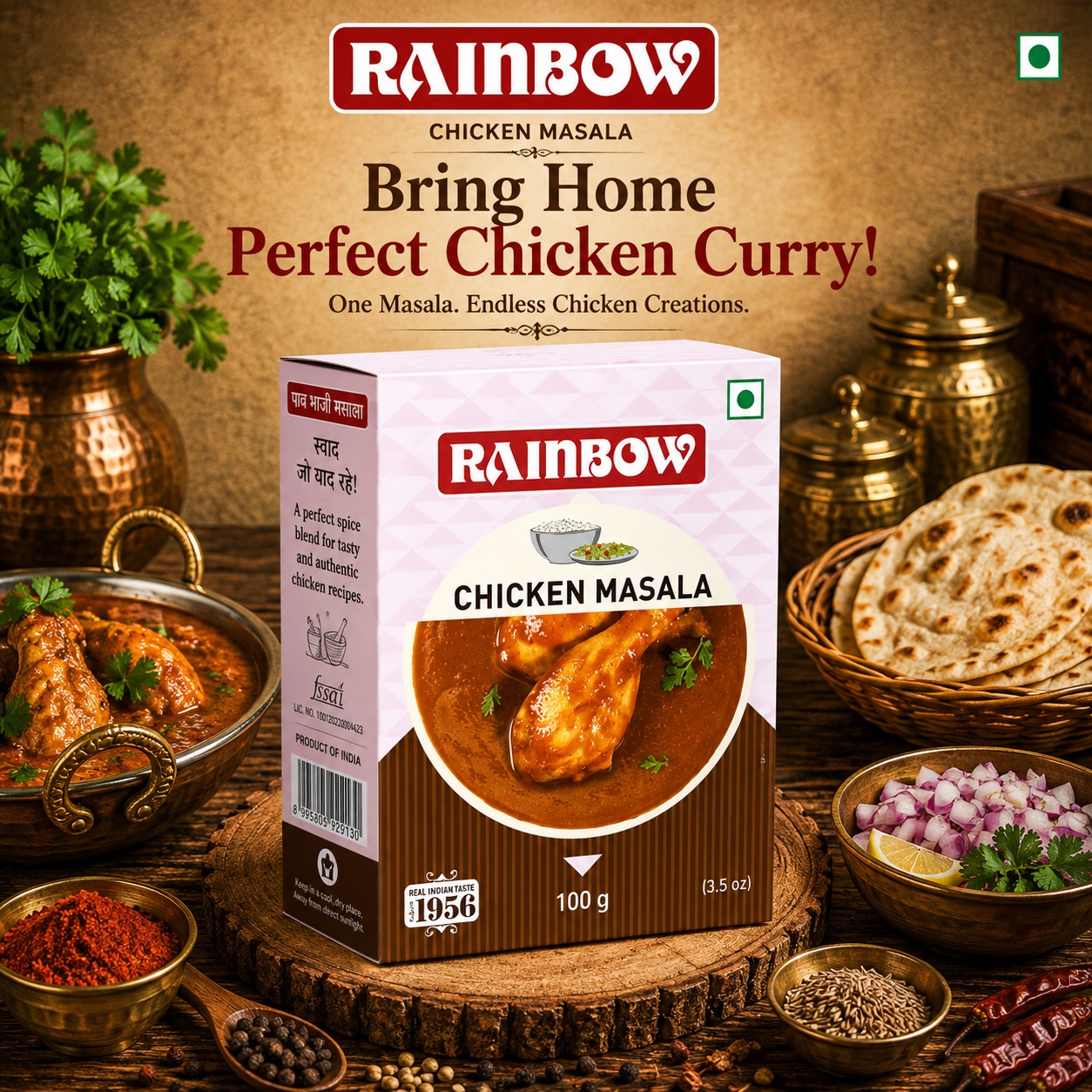
Have you ever wondered why the Chicken Masala served at your favourite restaurant tastes richer, more aromatic, and more balanced than the one prepared at home?
Many people assume restaurants simply use more butter, cream, or spices. Others believe chefs have a secret recipe that no one knows.
The truth is much simpler.
The difference isn’t just in the recipe, it’s in how the flavour is built.
Restaurant-style Chicken Masala isn’t created by adding more spices. It’s created by patiently developing a flavourful base and using a carefully balanced spice blend at the right stage of cooking.
How Did Chicken Masala Become One of India’s Favourite Curries?
Unlike dishes such as Sambar or Chole, Chicken Masala doesn’t belong to one specific region of India.
As chicken became increasingly popular across the country, different communities adapted their local spice traditions to create unique chicken curries.
Punjab developed rich tomato-based gravies.
Maharashtra introduced bolder spice profiles.
Chettinad cuisine became known for roasted spices and black pepper.
Hyderabad brought aromatic influences from Mughlai cooking.
Despite these regional differences, every great Chicken Masala shares one thing in common:
A balanced blend of spices that creates depth rather than overpowering heat.
Today, Chicken Masala is one of the most popular dishes served in restaurants, hotels, catering businesses, and cloud kitchens across India.
What Makes a Great Chicken Masala?
A Chicken Masala blend isn’t meant to make the curry extremely spicy.
Instead, each spice contributes a different layer of flavour.
A balanced blend commonly includes:
- ✦Coriander for body
- ✦Cumin for warmth
- ✦Black Pepper for depth
- ✦Red Chilli for balanced heat
- ✦Turmeric for colour
- ✦Cloves for warmth
- ✦Cinnamon for sweetness
- ✦Green Cardamom for aroma
Some regional blends may also include black cardamom, nutmeg, mace, fennel, bay leaf, or dry ginger depending on the desired flavour profile.
The objective isn’t intense heat.
It’s creating a curry that’s rich, aromatic, and balanced.
The Secret Isn’t the Chicken, It’s the Masala Base
One of the biggest differences between restaurant and home-style Chicken Masala is the way the gravy is prepared.
Professional chefs spend considerable time developing the onion, tomato, ginger, garlic, and spice base before the chicken is added.
This process allows the spices to release their natural oils and gradually build flavour.
Without a properly developed base, even premium-quality spices cannot deliver their full potential.
Restaurant Techniques That Make Chicken Masala Better
🔥 1. Build the Masala Base Properly
Restaurants slowly cook onions, tomatoes, ginger, garlic, and spices until the oil begins to separate.
This stage, often referred to as bhunao, helps develop the depth, richness, and aroma that defines restaurant-style curries.
A rushed base often results in a flat-tasting gravy.
⏱️ 2. Don’t Rush the Masala Stage
Ground spices need time to cook.
If they’re undercooked, the curry may have a raw, powdery taste.
If they’re cooked for too long over high heat, delicate aromatic compounds can become less pronounced.
Gentle cooking allows the spices to develop complexity while preserving their natural aroma.
🍗 3. Marination Matters More Than You Think
Many chefs add a small amount of Chicken Masala to the marinade along with yoghurt, ginger, garlic, and salt.
This allows the spices to begin flavouring the chicken before it even reaches the pan.
The result is a curry where the flavour isn’t limited to the gravy, the chicken itself becomes more flavourful.
🌿 4. Layer the Flavours
Professional kitchens rarely rely on a single addition of spices.
Instead, flavour is built in stages.
- ✦Whole spices create the aromatic foundation.
- ✦Ground spices build the gravy.
- ✦Chicken Masala adds body and depth.
- ✦Garam Masala is often added near the end to enhance aroma.
Each stage contributes something unique to the final dish.
📏 5. Consistency Is Essential
Restaurants don’t estimate spice quantities.
Recipes are carefully standardized to ensure every portion tastes the same.
This consistency helps maintain:
- ✦Balanced flavour
- ✦Rich aroma
- ✦Uniform colour
- ✦Reliable cooking performance
For HoReCa businesses, consistency is one of the biggest contributors to customer satisfaction and repeat orders.
Why Chicken Masala Is One of the Most Important Restaurant Spice Blends
Chicken dishes are among the highest-selling menu items in restaurants, hotels, cloud kitchens, and catering businesses.
Customers may not know the exact spice blend being used, but they immediately notice when a curry lacks depth, aroma, or consistency.
That’s why professional kitchens rely on dependable spice blends that deliver the same results every day.
🌈 The Rainbow Masala Difference
The secret behind exceptional Chicken Masala isn’t adding more spices, it’s using the right spices in the right proportions.
At Rainbow Masala, we’ve been perfecting spice blends since 1956, combining decades of expertise with carefully selected premium-quality whole spices.
Our Chicken Masala is crafted using a balanced combination of coriander, cumin, black pepper, red chilli, turmeric, cloves, cinnamon, cardamom, and other complementary spices that work together to create depth rather than overwhelming heat.
Every batch is carefully quality checked to ensure:
- ✦Rich, layered flavour
- ✦Authentic restaurant-style aroma
- ✦Naturally vibrant colour from quality spices
- ✦Consistent taste across every batch
- ✦Dependable performance for home cooks and professional kitchens alike
We don’t rely on artificial colours, artificial flavours, added preservatives, or added MSG. Instead, we rely on decades of blending expertise, premium-quality ingredients, and rigorous quality standards.
Whether you’re preparing dinner for your family or hundreds of meals in a commercial kitchen, Rainbow Masala helps you create Chicken Masala that’s rich, balanced, and consistently delicious.
Because great Chicken Masala isn’t about using more spice.
It’s about using the right blend.
Key Takeaways
- ✦Restaurant-style Chicken Masala is built on a well-developed gravy base.
- ✦A balanced Chicken Masala creates flavour depth rather than excessive heat.
- ✦Proper cooking of the masala is just as important as the ingredients themselves.
- ✦Marination and flavour layering contribute significantly to restaurant-quality results.
- ✦Consistent spice blends help restaurants deliver the same taste every time.
Sources & further reading
Taste the difference in your own kitchen.
Explore the Rainbow Masala range, blends crafted with the same care this article describes, or try one of our recipes.