

Masala Secrets · 2026-07-03 · 4 min read
Why Is Black Pepper Called the King of Spices? The Story Behind India’s Most Valuable Spice
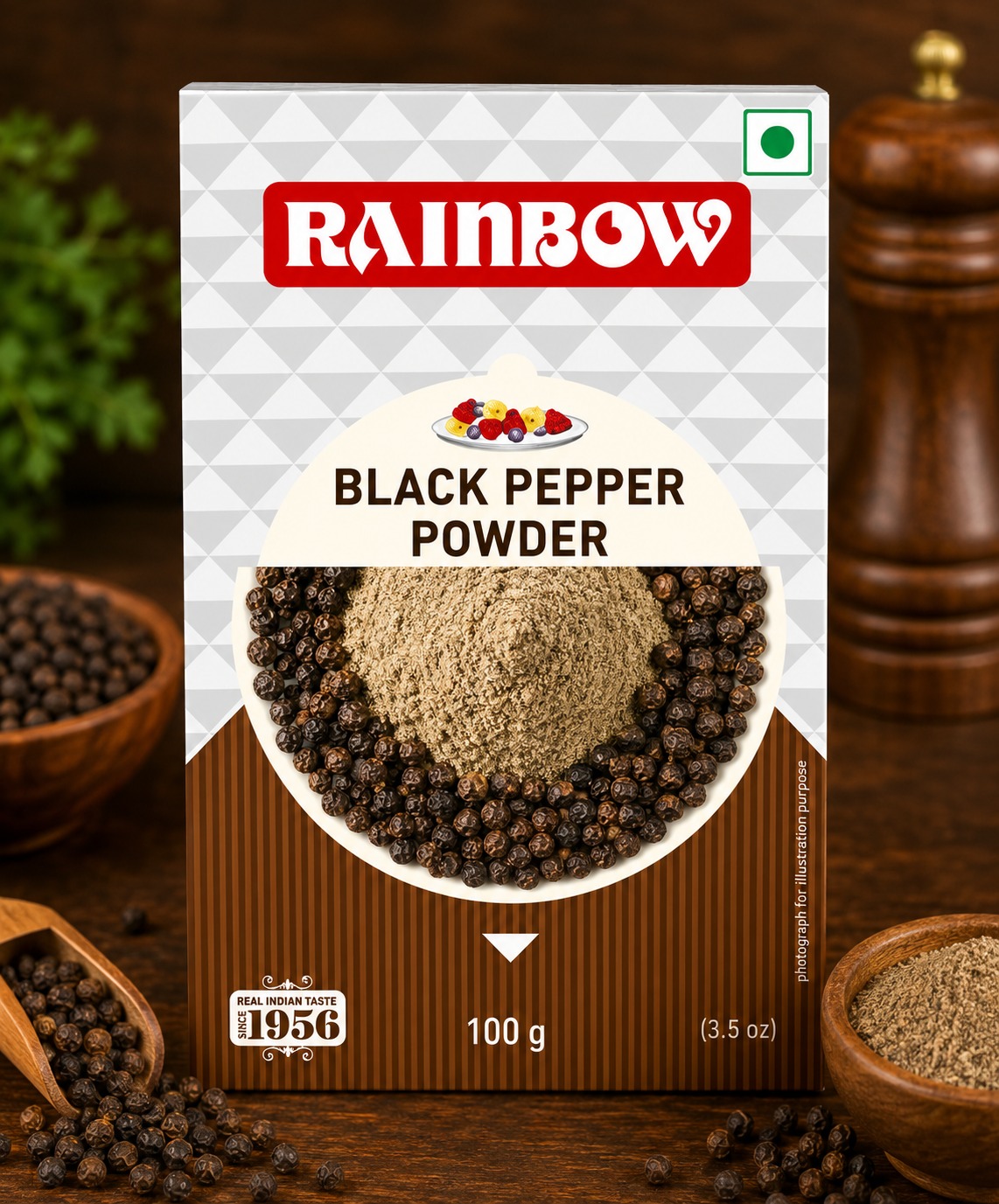
Long before chilli peppers arrived in India, there was one spice that ruled kitchens, trade routes, and even empires.
Black Pepper.
Today, it’s found on dining tables across the world, but centuries ago it was so valuable that merchants called it “Black Gold.” Kings traded it, explorers sailed across oceans searching for it, and kingdoms flourished because of it.
So what made one tiny berry so important?
The answer lies in its remarkable flavour, versatility, and history.
Where Does Black Pepper Come From?
Black Pepper comes from the flowering vine Piper nigrum, native to the tropical forests of India’s Malabar Coast, particularly present-day Kerala.
The pepper berries grow in clusters and are harvested while still green. They are then dried naturally, during which the outer skin wrinkles and turns black, creating the familiar spice found in kitchens around the world.
India has cultivated black pepper for thousands of years, and it remains one of the country’s most celebrated spices.
Why Was Black Pepper So Valuable?
Long before refrigeration and modern transportation, spices played a vital role in preserving food and enhancing flavour.
Among them, Black Pepper became one of the most sought-after commodities.
Its demand was so great that it travelled along ancient trade routes connecting India with the Middle East and Europe.
Merchants transported pepper across continents, and its value became so significant that it was sometimes used as a form of payment or tribute.
The global spice trade eventually inspired European explorers to search for direct sea routes to India, shaping world history.
Black Pepper wasn’t simply a seasoning.
It was an economic powerhouse.
What Makes Black Pepper So Special?
Unlike chilli, which primarily contributes heat, Black Pepper offers a more complex flavour.
Its distinctive taste comes from a naturally occurring compound called piperine, which provides gentle pungency and depth.
At the same time, Black Pepper contains aromatic compounds that contribute subtle woody, citrusy, and earthy notes.
This unique combination makes it suitable for an extraordinary range of dishes.
Black Pepper vs Chilli: What’s the Difference?
Although both add warmth to food, they do so in very different ways.
Black Pepper
Chilli
Heat comes from piperine
Heat comes from capsaicin
Adds aroma and complexity
Primarily adds heat
Mild, lingering warmth
Sharp, immediate spiciness
Used across cuisines worldwide
Common in many regional cuisines
Complements flavours
Often dominates flavours
This is why many chefs use Black Pepper to build flavour rather than simply increase spice levels.
Whole Pepper or Ground Pepper?
Freshly ground Black Pepper delivers a noticeably stronger aroma than pre-ground pepper.
Why?
Because the outer layer protects its natural volatile compounds.
Once pepper is ground, these aromatic compounds gradually dissipate when exposed to air, light, and moisture.
That’s why restaurants often grind pepper fresh just before serving soups, salads, steaks, pasta, or curries.
Fresh grinding helps preserve the spice’s characteristic aroma and flavour.
Why Professional Kitchens Always Keep Black Pepper Nearby
Black Pepper is one of the most versatile spices in commercial kitchens.
It enhances:
- ✦Soups
- ✦Gravies
- ✦Paneer dishes
- ✦Chicken and meat curries
- ✦Pasta
- ✦Salads
- ✦Marinades
- ✦Tea Masala
- ✦Thandai
- ✦Garam Masala
Rather than overpowering ingredients, it helps bring their natural flavours into balance.
That’s why chefs consider it an essential pantry ingredient.
Why Quality Matters More Than Quantity
Not all Black Pepper delivers the same cooking experience.
The quality of the pepper depends on several factors, including:
- ✦The region where it is grown.
- ✦The stage at which the berries are harvested.
- ✦Drying methods.
- ✦Storage conditions.
- ✦Processing and packaging.
Well-processed pepper retains more of its natural aroma and flavour, contributing to a better culinary experience.
🌈 The Rainbow Masala Difference
At Rainbow Masala, we believe a great spice should do more than season food, it should enhance every ingredient it accompanies.
Since 1956, we have sourced and blended premium-quality spices with a commitment to authenticity, consistency, and flavour.
Our Black Pepper is carefully selected from trusted growing regions, cleaned hygienically, and processed with attention to preserving its natural aroma and pungency.
Every batch undergoes quality checks to ensure:
- ✦Premium-quality peppercorns
- ✦Rich natural aroma
- ✦Consistent flavour
- ✦Hygienic processing and packaging
- ✦Reliable performance for homes, restaurants, hotels, and food manufacturers
Whether you’re seasoning a simple soup, preparing a rich curry, or creating a signature spice blend, Rainbow Black Pepper delivers the depth and complexity that has made it one of the world’s most treasured spices for centuries.
Because some spices simply add flavour.
Black Pepper has shaped the history of flavour itself.
Key Takeaways
- ✦Black Pepper is native to India’s Malabar Coast and has been cultivated for centuries.
- ✦It earned the title “King of Spices” because of its historical importance in global trade and its culinary versatility.
- ✦Black Pepper provides gentle warmth through piperine, unlike chilli, which derives its heat from capsaicin.
- ✦Freshly ground pepper offers better aroma because its natural volatile compounds are preserved until grinding.
- ✦High-quality Black Pepper depends on careful sourcing, processing, and storage.
Sources & further reading
Taste the difference in your own kitchen.
Explore the Rainbow Masala range, blends crafted with the same care this article describes, or try one of our recipes.