

Masala Secrets · 2026-06-21 · 4 min read
Why Is Garam Masala Added at the End of Cooking? The Science Behind India’s Most Versatile Spice Blend
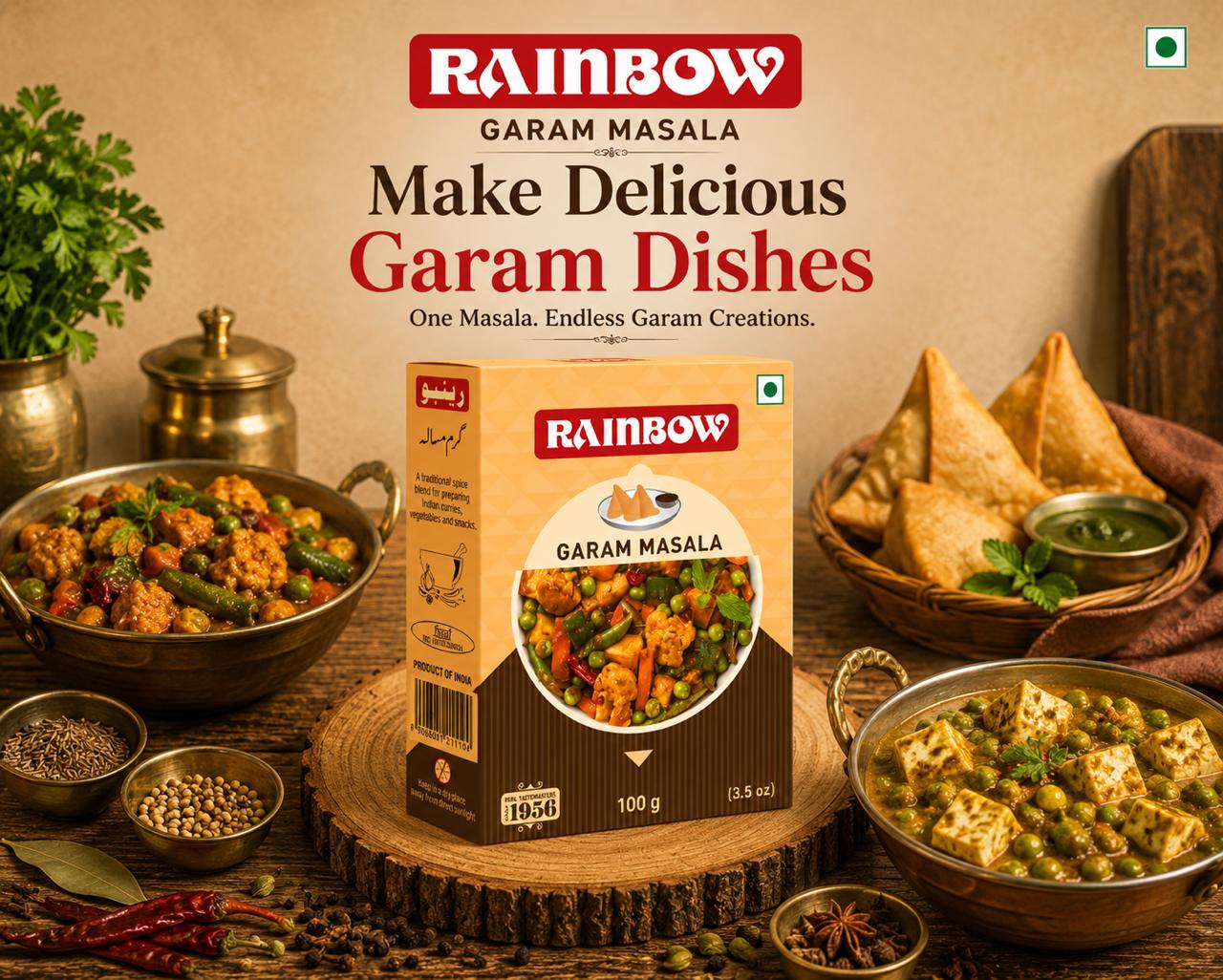
If you’ve ever watched an experienced home cook or professional chef prepare an Indian curry, you’ve probably noticed one final step before serving.
A small spoonful of Garam Masala is sprinkled into the dish.
Not at the beginning.
Not halfway through cooking.
Right at the end.
Why?
Is it simply tradition, or is there a culinary reason behind this practice?
The answer lies in the unique ingredients that make Garam Masala one of the world’s most aromatic spice blends.
What Does “Garam” Really Mean?
One of the biggest misconceptions about Garam Masala is that “garam” means spicy.
It doesn’t.
In traditional Indian culinary and Ayurvedic philosophy, garam refers to the warming nature of certain spices rather than their chilli heat.
This warming quality comes from aromatic spices such as:
- ✦Green Cardamom
- ✦Cloves
- ✦Cinnamon
- ✦Black Pepper
- ✦Nutmeg
- ✦Bay Leaf
- ✦Mace
Together, these spices create warmth, complexity, and fragrance, not excessive heat.
A Spice Blend with Hundreds of Traditions
Unlike many spice blends that follow a fixed recipe, Garam Masala has no single formula.
Every region, and often every family, has its own version.
In North India, Garam Masala is typically warm, earthy, and aromatic.
In Kashmir, blends may highlight fennel and dry ginger.
Punjabi recipes often include black cardamom for a deeper, smokier profile.
Some households roast the spices before grinding, while others prefer unroasted blends to preserve delicate aromas.
This diversity is one of the reasons Garam Masala remains one of India’s most versatile spice blends.
Why Do Chefs Add Garam Masala at the End?
The answer lies in volatile oils, the naturally occurring aromatic compounds found in spices.
Many spices used in Garam Masala are rich in these compounds.
When exposed to prolonged heat, some of these delicate aromatic molecules gradually evaporate.
By adding Garam Masala towards the end of cooking, chefs help preserve more of its natural fragrance.
Instead of disappearing into the gravy, the aroma rises from the dish just before it’s served.
That’s why the first thing you notice isn’t always the taste.
It’s the aroma.
Aroma Is the First Flavour
Before you take your first bite, your senses are already experiencing the dish.
The fragrance released by Garam Masala creates anticipation and shapes how we perceive flavour.
That’s why two curries with similar ingredients can feel completely different if one has a fresher, more balanced aromatic finish.
Great cooking isn’t only about taste.
It’s about the complete sensory experience.
Less Is Often More
One of the most common mistakes home cooks make is assuming that adding more Garam Masala creates better flavour.
In reality, Garam Masala is a finishing spice.
Its role is to complement the dish, not dominate it.
Too much Garam Masala can overwhelm other carefully balanced flavours, making every curry taste similar.
Professional kitchens typically use it with precision, adding just enough to enhance the dish while allowing the primary ingredients to remain the focus.
Why Every Kitchen Keeps Garam Masala Close
Few spice blends are as versatile as Garam Masala.
It enhances:
- ✦Paneer dishes
- ✦Rajma
- ✦Chole
- ✦Dal Tadka
- ✦Mixed Vegetables
- ✦Chicken Curry
- ✦Mutton Curry
- ✦Vegetable Pulao
- ✦Kofta Curries
Rather than defining a dish, Garam Masala gives it its final signature.
Why Consistency Matters in HoReCa
For restaurants, caterers, and cloud kitchens, customers don’t just remember flavour.
They remember aroma.
That first burst of fragrance when a hot curry reaches the table becomes part of the dining experience.
Using a consistent Garam Masala blend helps ensure:
- ✦Uniform aroma
- ✦Balanced flavour
- ✦Consistent cooking performance
- ✦Reliable customer experience
This consistency becomes especially important when preparing hundreds of portions every day.
🌈 The Rainbow Masala Difference
A great Garam Masala isn’t created by adding the most spices.
It’s created by balancing the right spices in the right proportions.
Since 1956, Rainbow Masala has refined this balance through decades of spice-blending expertise.
Our Garam Masala is crafted using carefully selected whole spices such as cardamom, cloves, cinnamon, black pepper, bay leaves, nutmeg, and other complementary aromatics, creating a blend that enhances rather than overpowers your cooking.
Every ingredient is selected with a purpose:
- ✦Cardamom adds fresh, floral notes.
- ✦Cloves contribute warmth and depth.
- ✦Cinnamon rounds out the flavour with gentle sweetness.
- ✦Black pepper provides subtle complexity.
- ✦Nutmeg and bay leaves create the lingering aroma that defines a memorable curry.
Combined with rigorous quality checks, hygienic manufacturing, and decades of expertise, this creates a Garam Masala trusted by households, chefs, restaurants, and bulk buyers alike.
Because the final touch isn’t just another ingredient.
It’s the ingredient people remember.
Key Takeaways
- ✦Garam Masala is traditionally added at the end of cooking to preserve its aroma.
- ✦“Garam” refers to warming spices rather than chilli heat.
- ✦Every region and family has its own interpretation of Garam Masala.
- ✦A balanced blend enhances dishes without overpowering them.
- ✦Consistent Garam Masala contributes to memorable restaurant-quality cooking.
Sources & further reading
Taste the difference in your own kitchen.
Explore the Rainbow Masala range, blends crafted with the same care this article describes, or try one of our recipes.