

Masala Secrets · 2026-07-07 · 5 min read
Why Is Jeera (Cumin) the First Spice Added to So Many Indian Dishes?
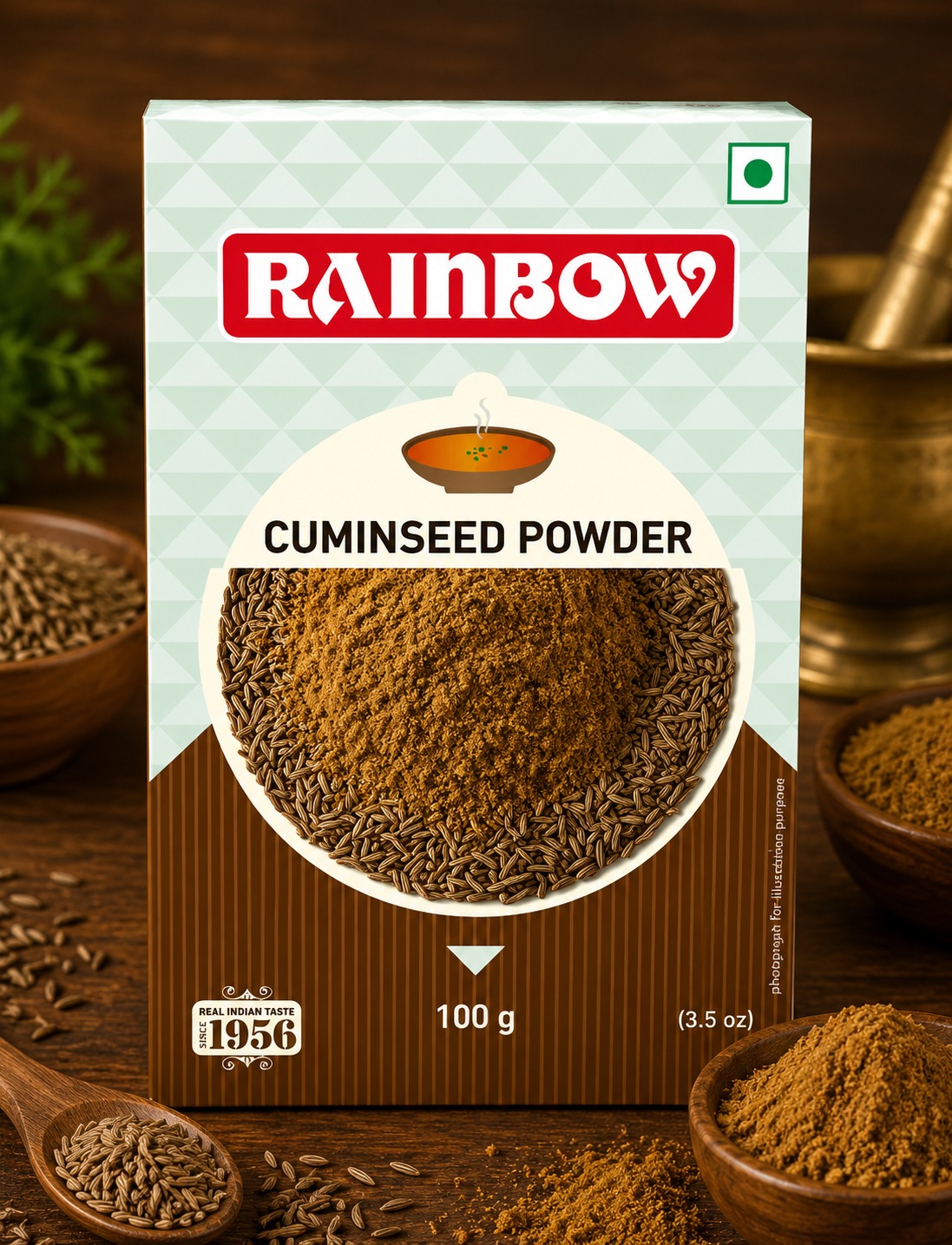
Why Is Jeera Added First in Indian Cooking? The Story Behind India’s Most Essential Spice
Watch an Indian chef begin preparing a curry, dal, or sabji, and you’ll almost always notice the same first step.
A spoonful of Jeera goes into hot oil.
Within seconds, the kitchen fills with a warm, nutty aroma.
This isn’t just tradition.
It’s one of the oldest flavour-building techniques in Indian cooking.
So why is Jeera almost always the first spice added?
The answer lies in its unique ability to create the flavour foundation for an entire dish.
What Is Jeera?
Jeera, commonly known as Cumin, comes from the dried seeds of the plant Cuminum cyminum.
Recognisable by its slender brown seeds and earthy aroma, cumin has been cultivated for thousands of years and remains one of the most widely used spices in Indian, Middle Eastern, Mediterranean, and Mexican cuisines.
India is among the world’s largest producers and consumers of cumin, with Rajasthan and Gujarat being the primary growing regions.
Why Is Jeera Added First During Cooking?
In Indian cooking, many recipes begin with tempering, also known as tadka.
Tempering involves adding whole spices to hot oil or ghee before other ingredients.
Jeera is particularly well suited for this because its natural aromatic compounds are released quickly when heated.
As the seeds begin to crackle, they infuse the cooking fat with their distinctive earthy, warm flavour.
That flavoured oil then carries the aroma throughout the entire dish.
This simple technique creates a stronger and more balanced flavour than adding cumin later.
Whole Jeera vs Jeera Powder
Although they come from the same seed, whole and ground cumin are used differently.
Whole Jeera
- ✦Best for tempering
- ✦Releases flavour gradually
- ✦Adds texture and aroma
- ✦Common in dals, curries, rice, and tadkas
Jeera Powder
- ✦Added during cooking or seasoning
- ✦Blends evenly into gravies
- ✦Ideal for spice blends
- ✦Common in Jaljeera, Chaat Masala, Sabji Masala, and marinades
Professional kitchens often use both forms in the same recipe, whole seeds at the beginning and ground cumin later to deepen the flavour.
Why Do Chefs Roast Jeera?
Have you noticed that many recipes call for roasted cumin powder instead of raw cumin?
Roasting transforms the flavour.
Gentle heating reduces raw grassy notes while enhancing the spice’s warm, nutty aroma.
That’s why roasted cumin is commonly used in:
- ✦Jaljeera
- ✦Raita
- ✦Chaat
- ✦Buttermilk
- ✦Fruit seasoning
- ✦Dahi preparations
A simple roasting step can completely change the flavour profile.
Why Jeera Appears in So Many Spice Blends
Unlike highly dominant spices, cumin blends effortlessly with many other ingredients.
It pairs beautifully with:
- ✦Coriander
- ✦Black Pepper
- ✦Dry Mango Powder
- ✦Fennel
- ✦Turmeric
- ✦Red Chilli
- ✦Cardamom
- ✦Cloves
Because of this versatility, Jeera forms the backbone of many blended masalas, including:
- ✦Garam Masala
- ✦Kitchen King Masala
- ✦Sabji Masala
- ✦Chole Masala
- ✦Rajma Masala
- ✦Sambar Masala
- ✦Jaljeera
- ✦Chat Masala
Rather than standing out, it helps other spices work together harmoniously.
Restaurant Tips for Better Cooking with Jeera
🔥 1. Don’t Burn the Seeds
Jeera cooks quickly.
Once it begins to crackle and release its aroma, it’s time to add the next ingredients.
Overheating can create bitterness.
🥄 2. Roast Before Grinding
Many chefs lightly roast cumin before grinding it for spice blends and beverages.
This develops a richer aroma and smoother flavour.
🌿 3. Use Whole and Ground Together
Whole cumin builds the base.
Ground cumin strengthens the body of the dish.
Using both creates greater depth.
📏 4. Store It Properly
Whole cumin generally retains its aroma longer than ground cumin.
Grinding only what you need helps preserve freshness.
Why Jeera Matters in HoReCa
Whether it’s a restaurant, hotel, catering business, or cloud kitchen, consistency begins with the basics.
Jeera is one of the few spices used across breakfast, lunch, dinner, beverages, snacks, and spice blends.
High-quality cumin helps kitchens maintain:
- ✦Consistent flavour
- ✦Reliable aroma
- ✦Uniform spice blends
- ✦Authentic taste across every batch
🌈 The Rainbow Masala Difference
A great cumin seed isn’t judged only by its appearance.
It’s judged by the aroma it releases the moment it meets hot oil.
Since 1956, Rainbow Masala has carefully sourced premium-quality cumin from renowned growing regions and processed it with the same attention to quality that defines every Rainbow spice blend.
Our Jeera is selected for its rich natural aroma, clean flavour, and dependable performance in both whole and ground forms.
Every batch undergoes strict quality checks to ensure:
- ✦Premium-quality cumin seeds
- ✦Strong natural aroma
- ✦Uniform size and colour
- ✦Hygienic processing and packaging
- ✦Consistent flavour for households, restaurants, caterers, and food manufacturers
Rainbow Jeera Powder helps build the flavour from the very first step.
Key Takeaways
- ✦Jeera (Cumin) is one of the first spices added during Indian cooking because it flavours the cooking oil through tempering.
- ✦Whole Jeera and Jeera Powder have different culinary applications.
- ✦Roasting cumin enhances its warm, nutty flavour and aroma.
- ✦Jeera is an essential ingredient in numerous blended masalas and beverages.
- ✦Quality cumin contributes significantly to flavour consistency in both home and professional kitchens.
Continue Reading
Explore more from the Rainbow Spice Knowledge Hub:
- ✦Why Is Black Pepper Called the King of Spices?
- ✦What Is the Difference Between Black Pepper and White Pepper?
- ✦Why Was Jaljeera India’s Favourite Summer Drink Long Before Soft Drinks?
- ✦What Is the Difference Between a Spice Blend, Masala, and Seasoning?
- ✦Why Does Grinding Temperature Matter in Spice Manufacturing?
- ✦What Is Volatile Oil (VO) in Spices?
- ✦Why Do Chefs Add Masalas at Different Stages of Cooking?
Sources & further reading
Taste the difference in your own kitchen.
Explore the Rainbow Masala range, blends crafted with the same care this article describes, or try one of our recipes.