

Masala Secrets · 2026-07-09 · 4 min read
Why Is Turmeric (Haldi) More Than Just a Colouring Spice? The Story Behind India’s Golden Ingredient
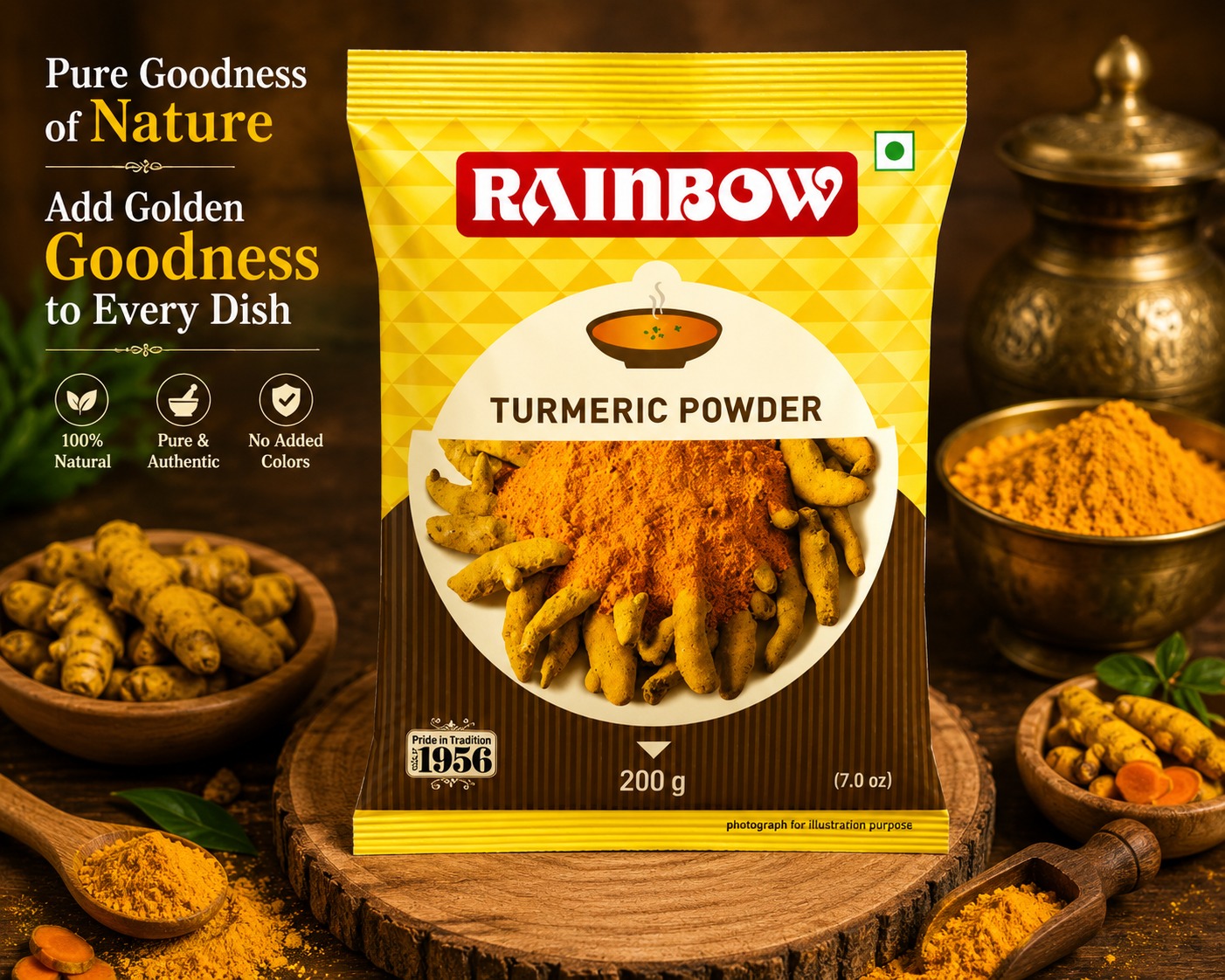
Why Is Turmeric More Than Just a Colouring Spice? | Everything About Haldi
Open any Indian spice box and you’ll almost certainly find a bright yellow powder sitting beside the chilli, coriander, and cumin.
That’s Turmeric, or Haldi.
Most people think of it as the spice that gives curries their beautiful golden colour.
But ask an experienced chef, and they’ll tell you something different.
Turmeric isn’t just about appearance.
It’s one of the first spices added while cooking because it quietly builds flavour, supports colour, and becomes the foundation for countless Indian dishes.
Its role is subtle, but essential.
What Is Turmeric?
Turmeric comes from the underground stem, or rhizome, of the plant Curcuma longa, which belongs to the ginger family.
After harvesting, the rhizomes are:
- ✦Cleaned
- ✦Boiled or cured
- ✦Dried
- ✦Polished
- ✦Ground into a fine powder
This careful process transforms the fresh rhizome into the vibrant spice used across Indian kitchens.
India is the world’s largest producer, consumer, and exporter of turmeric, with major cultivation in states such as Telangana, Maharashtra, Karnataka, Tamil Nadu, Andhra Pradesh, and Odisha.
Why Is Turmeric Added at the Beginning of Cooking?
Unlike Garam Masala or Kasuri Methi, which are often added towards the end, turmeric is usually added during the early stages of cooking.
Why?
Because turmeric needs time to blend into the dish.
When gently cooked with onions, tomatoes, oil, and other spices, it develops a smoother flavour and distributes its natural golden colour evenly throughout the recipe.
Adding turmeric at the beginning also allows it to become part of the flavour foundation instead of sitting on top of the dish.
Does Turmeric Only Add Colour?
Not at all.
A good-quality turmeric contributes:
- ✦A warm earthy flavour
- ✦Mild bitterness that balances richer ingredients
- ✦Natural golden colour
- ✦Depth when combined with other spices
Its flavour is gentle, which is why it works alongside stronger spices like cumin, coriander, chilli, black pepper, and cinnamon without overpowering them.
What Is Curcumin?
One of the reasons turmeric is so distinctive is because it naturally contains curcumin, the pigment responsible for its bright yellow colour.
The amount of curcumin can vary depending on:
- ✦The variety of turmeric
- ✦Growing conditions
- ✦Harvest maturity
- ✦Processing methods
For spice manufacturers, curcumin is also an important quality parameter because it contributes to the colour characteristics expected from turmeric powder.
Where Is Turmeric Used?
Turmeric is one of the most versatile spices in Indian cooking.
You’ll find it in:
- ✦Vegetable curries
- ✦Dal
- ✦Chicken dishes
- ✦Meat curries
- ✦Sambar
- ✦Chole
- ✦Rajma
- ✦Rice preparations
- ✦Pickles
- ✦Marinades
- ✦Spice blends
In many recipes, it’s one of the very first spices added.
Restaurant Tips for Using Turmeric
🥄 1. Use It Early
Turmeric performs best when added while building the masala base.
This helps distribute both flavour and colour evenly.
🌶️ 2. Don’t Use Too Much
Turmeric is powerful.
A small quantity is usually enough.
Excessive use may introduce unnecessary bitterness and affect the balance of the dish.
🍳 3. Pair It with Complementary Spices
Turmeric works particularly well with:
- ✦Coriander
- ✦Cumin
- ✦Black Pepper
- ✦Chilli
- ✦Ginger
- ✦Garlic
This combination forms the backbone of many Indian spice blends.
📦 4. Store It Carefully
Like other ground spices, turmeric should be stored in an airtight container away from heat, moisture, and direct sunlight to help preserve its colour and aroma.
Why It Matters in HoReCa
For restaurants, hotels, caterers, and food manufacturers, turmeric contributes much more than colour.
A consistent turmeric powder helps maintain:
- ✦Uniform appearance
- ✦Reliable flavour
- ✦Consistent spice blends
- ✦Standardised recipes
Since customers often judge food first by its appearance, maintaining consistent colour across batches is an important part of quality.
🌈 The Rainbow Masala Difference
Not all turmeric delivers the same colour, flavour, or consistency.
The difference begins with carefully selected turmeric rhizomes and controlled processing.
Since 1956, Rainbow Masala has been sourcing premium-quality spices from trusted growing regions and processing them with a focus on authenticity and consistency.
Our Turmeric Powder is prepared from carefully selected turmeric, processed under hygienic conditions, and finely ground to deliver a smooth texture, vibrant natural colour, and dependable flavour.
Every batch is:
- ✦Made from premium-quality turmeric
- ✦Carefully processed for consistent colour
- ✦Finely ground for uniform blending
- ✦Hygienically packed
- ✦Quality-tested before packaging
- ✦Suitable for households, restaurants, caterers, and food manufacturers
Whether you’re preparing a simple dal, a rich curry, or a signature spice blend, Rainbow Turmeric Powder helps create the colour, flavour, and consistency that Indian cooking is known for.
Because great food doesn’t begin with the final garnish, it begins with a strong foundation. And turmeric is one of its first building blocks.
Key Takeaways
- ✦Turmeric comes from the rhizome of the Curcuma longa plant.
- ✦It contributes flavour, colour, and balance, not just appearance.
- ✦It is usually added early in cooking to build the flavour base.
- ✦Curcumin is the natural pigment responsible for turmeric’s golden colour.
- ✦High-quality turmeric depends on proper cultivation, processing, grinding, and storage.
Taste the difference in your own kitchen.
Explore the Rainbow Masala range, blends crafted with the same care this article describes, or try one of our recipes.